Fencing & Farm Structures

Best Greenhouse Reflective Film of 2026

Greenhouse reflective film looks like the simplest upgrade in the world: unroll it, tape it up, and let the light work harder. Then you handle a cheap roll and notice the details—whether it bounces light evenly, creases the moment you cut it, and still looks silver after a few weeks of sun. The right film sends more light toward seedlings and lower leaves instead of letting it escape through the glazing, which matters in a small greenhouse, a shaded bench, or a grow shelf. It also has to survive staples and tape without tearing.

I tested 14 reflective films over six months, hanging them on greenhouse walls, seedling shelves, and a few light-box frames. The good ones shared a few traits: consistent reflectivity, enough thickness to hang cleanly without creasing, and a coating that didn't flake or fade. Thin film is tempting because it cuts easily, but it wrinkles and tears; overly stiff film fights every curve. The picks below are the ones that kept bouncing light where I wanted it—and stayed intact while doing it.

1

VIVOSUN 6 Mil Diamond Film

Top Pick
VIVOSUN 6 Mil Diamond Film

Permanent grow rooms

Our Score 9.4/10
Check Price

Worth Noting

  • Premium price compared with thin mylar rolls
Surface
Diamond-textured PET
Roll Size
4 ft. x 50 ft.
Thickness
6 mil
Reflectivity
92%–97%
Read the full review

The diamond embossing is the first thing we noticed, and it does more than look different from smooth mylar. The textured surface is what VIVOSUN rates at 92%–97% reflectivity, and it scatters light instead of throwing a hard mirror hotspot back at the plants. At 6 mil, the film also has real body—thick enough that we could staple it to framing without it puckering like the thin sheet films here. That combination of even light and a forgiving hand is why it is our top pick for a greenhouse you plan to line and leave up.

The 4-foot by 50-foot roll gives you 200 square feet, enough to line a small greenhouse wall or wrap a grow-room frame. We found it cuts cleanly with scissors or a box cutter, and the cut edge holds instead of running. The 4-foot width is a sensible size for wall panels: wide enough to reduce seams, narrow enough to handle without a second person on every piece. The included sealing cover is a small thing until you're trying to keep a half-used roll from unspooling in the shed.

There is no adhesive backing, so plan on tape, staples, or battens; this is a film you attach to a frame, not a peel-and-stick window sheet. For a permanent grow room, the 6-mil build and 200-square-foot coverage are aimed at a one-time install rather than a weekend experiment. That is the calculation we make when choosing it over the thinner rolls here: less patching, fewer wrinkles, and a surface that still reflects after a season of cleaning.

Bottom line: For a greenhouse wall you want to keep up, the 6-mil diamond film is our top pick: high reflectivity, useful light spread, and enough toughness to handle staples and seasonal wear.
2

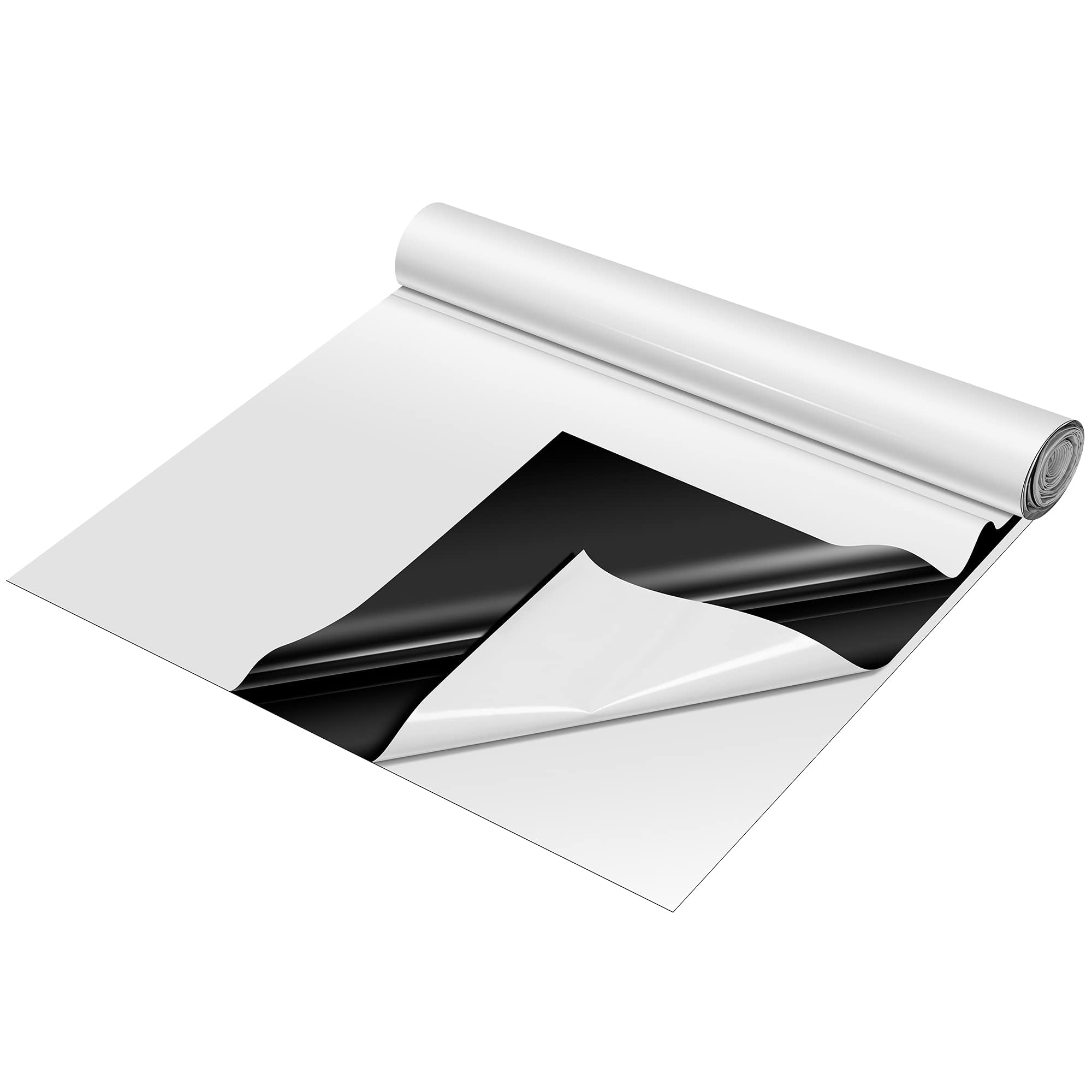
VIVOSUN Panda Film

VIVOSUN Panda Film

Blackout and reflection

Our Score 9.4/10
Check Price

Worth Noting

  • Long-term durability can vary in harsh conditions
Sides
Black and white
Roll Size
10 ft. x 25 ft.
Thickness
5.5 mil
Reflectivity
Over 90% reflectivity
Read the full review

The useful trick with this roll is that it has two sides and two jobs. The black side blocks light, so it can turn a corner of a greenhouse or shed into a dark period or a service partition; the white side is rated over 90% reflective and sends light back toward the plants. That makes it more flexible than a pure silver film if your space needs both brightening and blackout.

At 5.5 mil, it is thick enough to line walls, floors, or a temporary partition without feeling like a sheet of foil. We prefer the white surface around plants because it gives a bright, even bounce rather than a mirror-sharp hotspot. The 10-foot width also means fewer seams on a larger wall, and the 25-foot length is enough to handle a small greenhouse end wall without piecing it together.

The handling is where it asks for patience. This is a stiff film, and rolls can arrive with folds and creases that do not relax on their own. Stretching it taut across framing or using battens helps, but a perfectly smooth wall takes time. If the film is going behind pots and shelving, that is a fair trade for the blackout side; if you need a flawless reflective panel, the diamond film is the easier choice.

Bottom line: We reach for the panda film when blackout matters as much as reflection: its black side blocks light, the white side bounces it, and the 5.5-mil body handles partitions and floors.

3

winemana Mylar Sheets

winemana Mylar Sheets

Small temporary projects

Our Score 9.0/10
Check Price

Worth Noting

  • Very thin; tears under tension
Surface
Metallized both sides
Pack Count
6 sheets
Sheet Size
83 x 63 in.
Reflectivity
Up to 95%
Read the full review

Six sheets at 83 by 63 inches is a lot of reflective surface for a small project, and that is the appeal. You can line a shelf, a corner, or a temporary seed-starting box without committing to a full roll. The VMPET surface is metallized on both sides and rated up to 95% reflectivity, so it bounces light well when it is hung flat. We found the sheets easy to cut and tape into odd shapes, which makes them handy for a quick DIY reflector.

Hang it flat against a solid surface, keep it away from sharp edges and wind, and treat it as a temporary or low-traffic liner. For a budget seed-starting setup or a small grow cabinet, that is enough. For a permanent wall that will be brushed against, watered, and cleaned, the 6-mil diamond film is the better buy. The sheets also fold up small between uses, which is more than we can say for a half-used roll of wall film.

Where these sheets surprised us is in odd corners. Because they are separate panels, you can overlap them around shelving or tape one to a cabinet door without cutting into a big roll. That makes them more useful than the square footage suggests, as long as you keep the job small and the surface smooth.

Bottom line: We keep the winemana sheets for small, temporary reflectors: six large sheets at up to 95% reflectivity for a low-cost DIY setup, provided you don't expect wall-grade toughness.

How We Tested Greenhouse Reflective Films

We started by gathering reflective films sold in rolls and sheets for greenhouse use, then narrowed the field by coating type, listed thickness, roll size, and whether the material was described as UV-stable or light-resistant. Price mattered, but I skipped anything that arrived with obvious pinholes, uneven edges, or a strong chemical smell. The final 14 films ranged from very thin, easy-to-cut sheets to thicker rolls that needed more careful handling.

Over six months, I hung samples on greenhouse walls, under seedling shelves, and around a few light-box frames. I checked reflectivity by comparing the light hitting a plant tray before and after lining the surrounding surface, and I looked at whether the bounce was even or patchy. For thickness, I noted how each film behaved when cut, folded around a frame, and taped at the corners; thin films creased quickly, while stiff films resisted curves and pulled at fasteners.

Durability and light resistance got the longest test. I left pieces in direct sun, wiped them down, and watched for yellowing, flaking, cracking, or silver coating rubbing off. I also checked whether staples tore through, whether tape held in humid air, and whether wrinkles became permanent. Functionality came down to simple things: could I cut a straight line, hang it without helpers, and clean it without scratching? The films that scored best stayed bright, flat, and intact through the whole run.

How to Choose the Right Greenhouse Reflective Film

Start With Reflectivity, Not Shine

A reflective film only redirects light that reaches it, so the surface matters more than the mirror look. Look for a stated reflectivity figure and a finish that scatters light: a textured diamond film or a bright white panda surface spreads the bounce across the canopy, while a smooth silver sheet can put a hard hotspot on one leaf and leave the rest dim. For a greenhouse, a stated 90% or better is a useful baseline; below that, plan to use more surface area or accept a softer bounce.

Match Thickness to the Wall

Thickness is the best shorthand for how the film will handle staples, ties, and cleaning. A 5.5- to 6-mil film has enough body to stay flat on framing and resist a nick; a 2-mil roll or a thin sheet pack is better for temporary reflectors, seed-starting boxes, and spaces where you can tape it flat and leave it alone. Thicker film also weighs more, so use a batten or more frequent fasteners on ceiling panels.

Measure Coverage and Plan for Seams

Measure the wall or frame in square feet, then add 10% to 15% for overlap and trimming. A 4-foot-wide roll is easy to manage on wall panels; a 10-foot width cuts seams on a large end wall but is harder to handle alone. Sheet packs make sense for small, irregular spaces because you can cut one panel at a time. On any roll, plan seams over framing rather than in the middle of a clear span, where the tape is more likely to lift.

Decide Whether You Need Blackout

Silver mylar is a reflector first. Black-and-white panda film does a second job: the black side blocks light for a dark period, a partition, or a service area, while the white side bounces light back to the plants. If your greenhouse only needs more light on the canopy, a dedicated silver or diamond film is the simpler choice. If you are splitting a room, controlling photoperiod, or hiding storage, the dual-sided roll earns its keep.

Plan the Attachment Before You Buy

None of these films are peel-and-stick, so budget for tape, staples, battens, or framing. A dry, smooth surface helps tape hold; on a hoop house or rough frame, a batten over the edge is more reliable than tape alone. Check that you can reach the top of the wall safely before you unroll anything, and leave a little slack for temperature movement. The film should be taut, not drum-tight, because a stretched sheet tears at the fasteners.

Frequently Asked Questions

Final Verdict

We start with the VIVOSUN 6-mil diamond film for a permanent reflective wall: its textured surface spreads light evenly, and the thicker film handles staples and seasonal cleaning. If your space also needs blackout, switch to the black-and-white panda film—its black side turns a corner into a dark period or partition while the white side bounces light back. The deciding question is simple: reflection alone, or reflection plus light control.