Poultry & Livestock

Best Chicken Brooder Plates of 2026

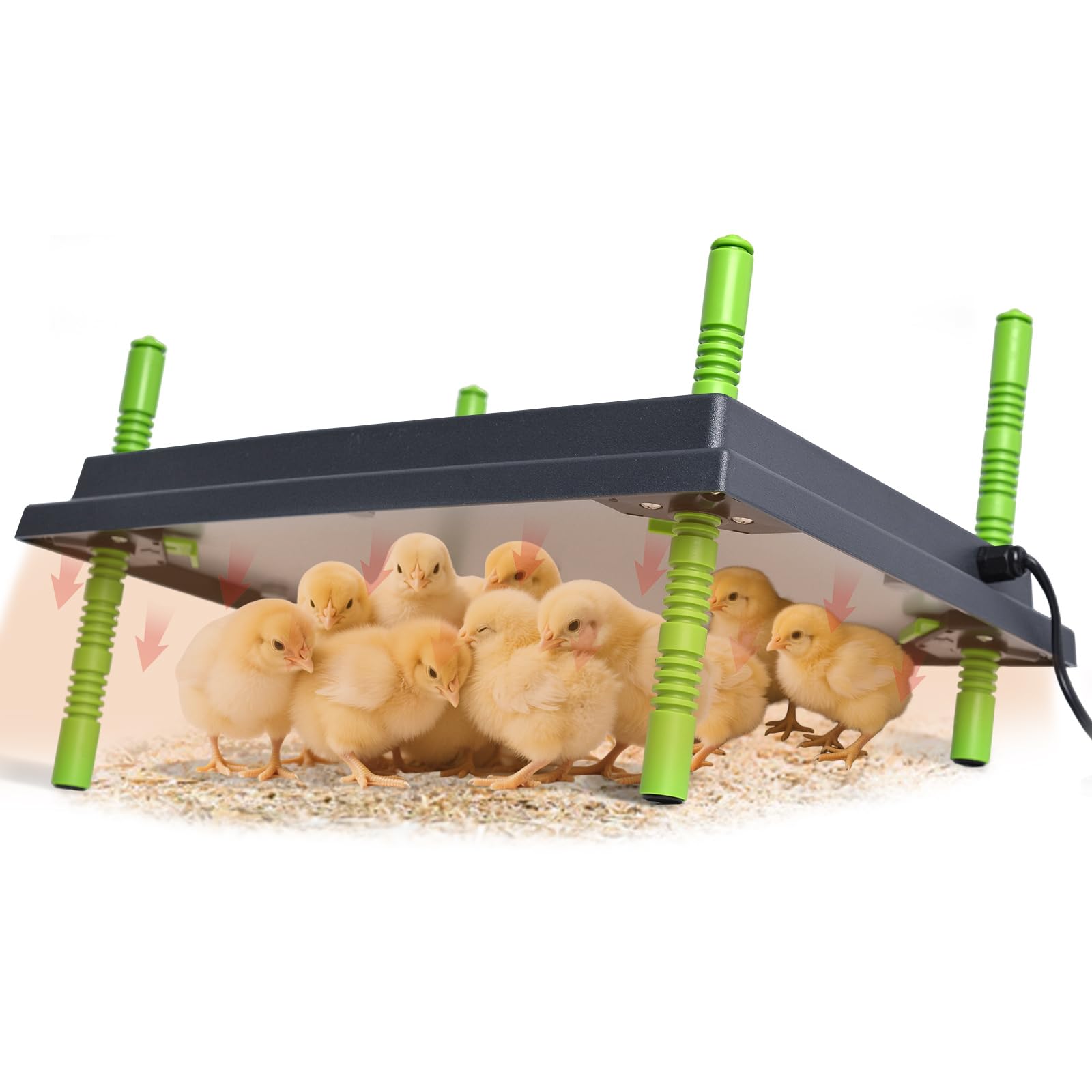
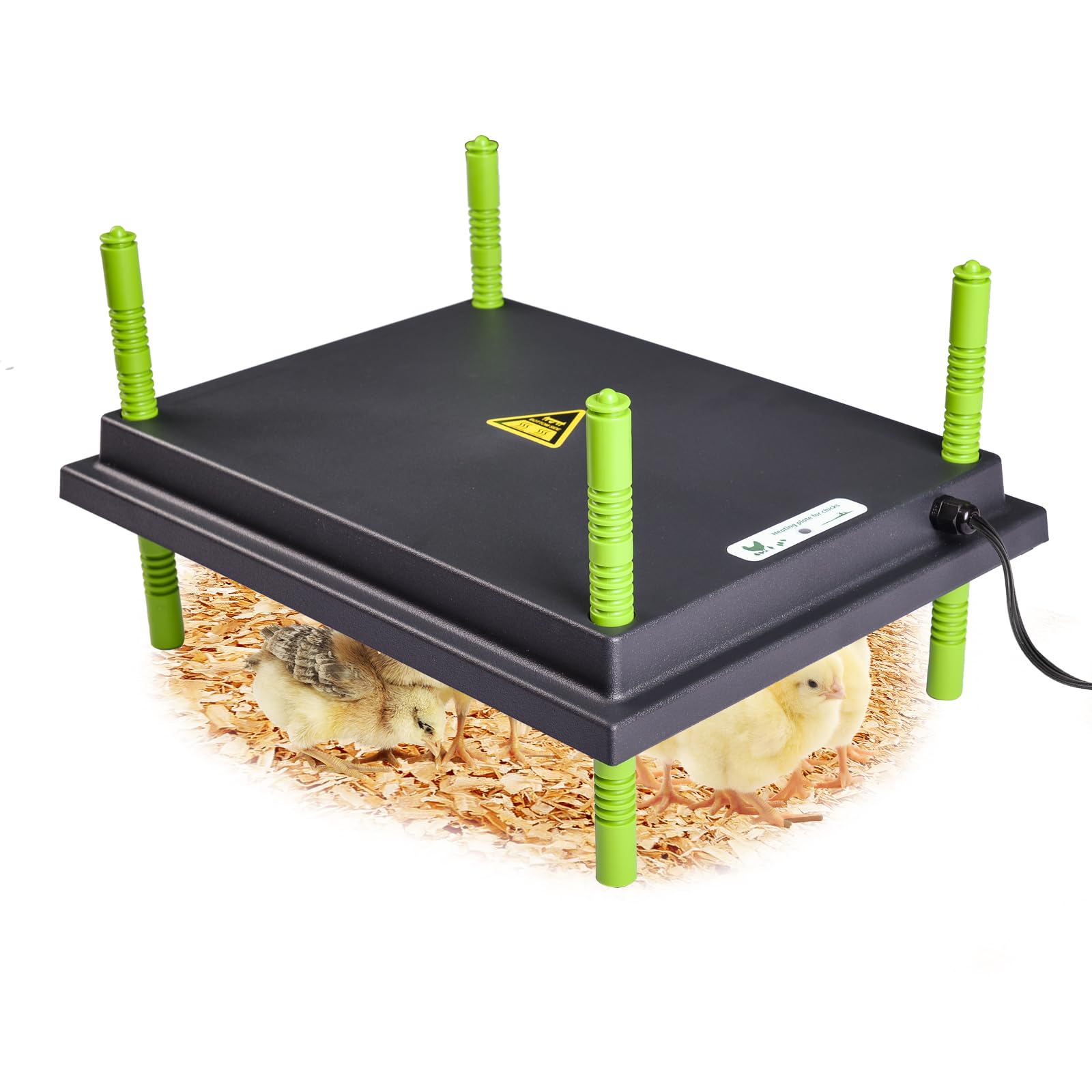
The switch from a heat lamp to a brooder plate is one of those upgrades that makes you wonder why you didn't do it sooner. A lamp blasts radiant heat from above, and chicks either crowd the edges or get too warm underneath; a plate gives them a warm ceiling to tuck under, and they regulate themselves. The catch is that not every plate runs at a steady temperature or adjusts low enough for bantams and high enough for a six-week-old flock. We've had 12 plates in garages, coops, and a spare utility room over the past eight months, and the differences show up fast.

What I've learned: chicks tell you everything. If they're piled in a corner or cheeping nonstop, the heat is off; if they're splayed out at the edges, it's too warm. So we watched how each plate handled a real brooder — adjustability, heat retention, safety, and whether the thing still held a steady temperature after a dozen cleanings. The picks below are the ones that passed the chick test.

1

RentACoop 10x10

Top Pick
RentACoop 10x10

Small flocks

Our Score 9.0/10
Check Price

Worth Noting

  • No thermostat; warmth is set by height
Power
15 W
Heating Area
10 x 10 in
Height Range
1–9 in
Chick Capacity
Up to 15 chicks
Read the full review

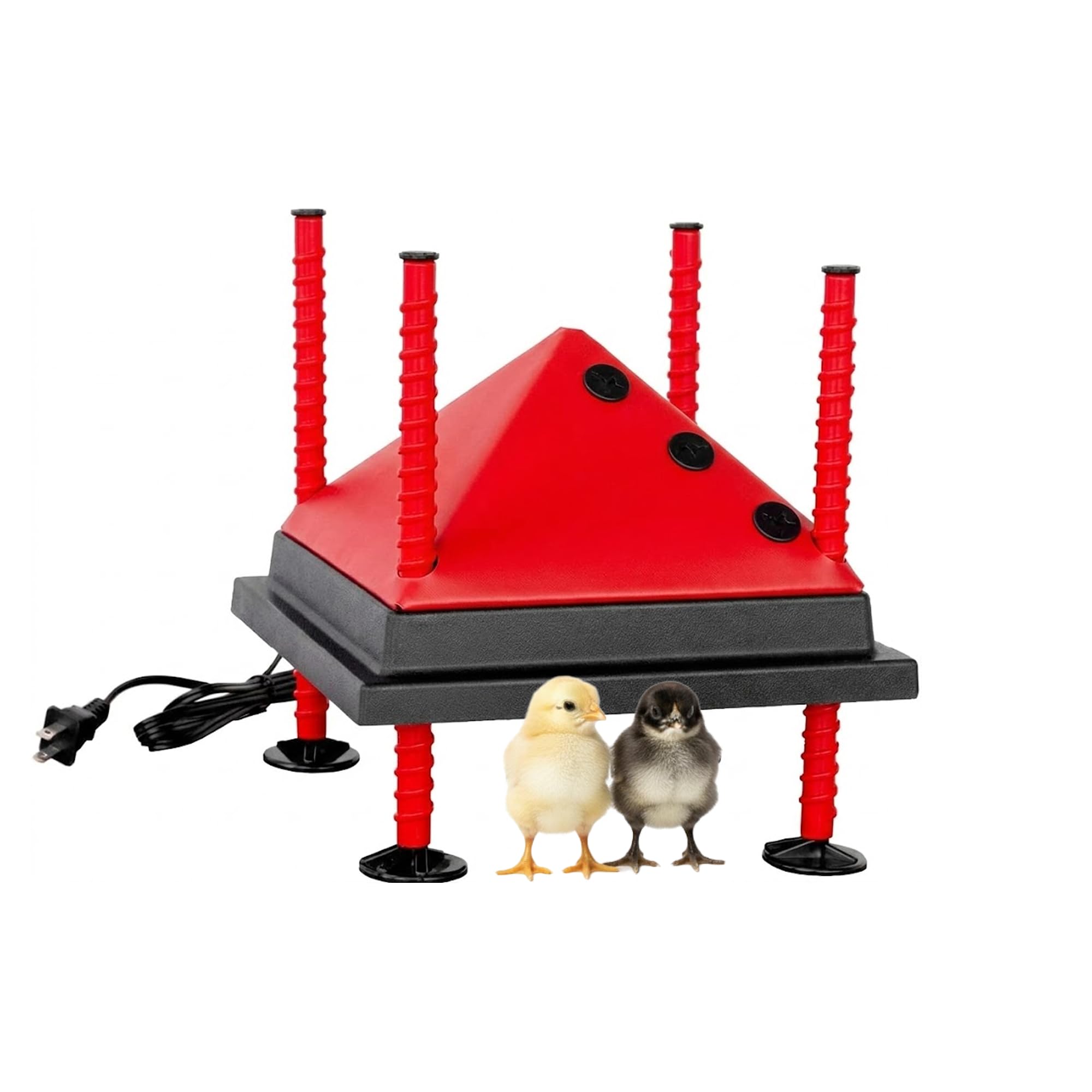
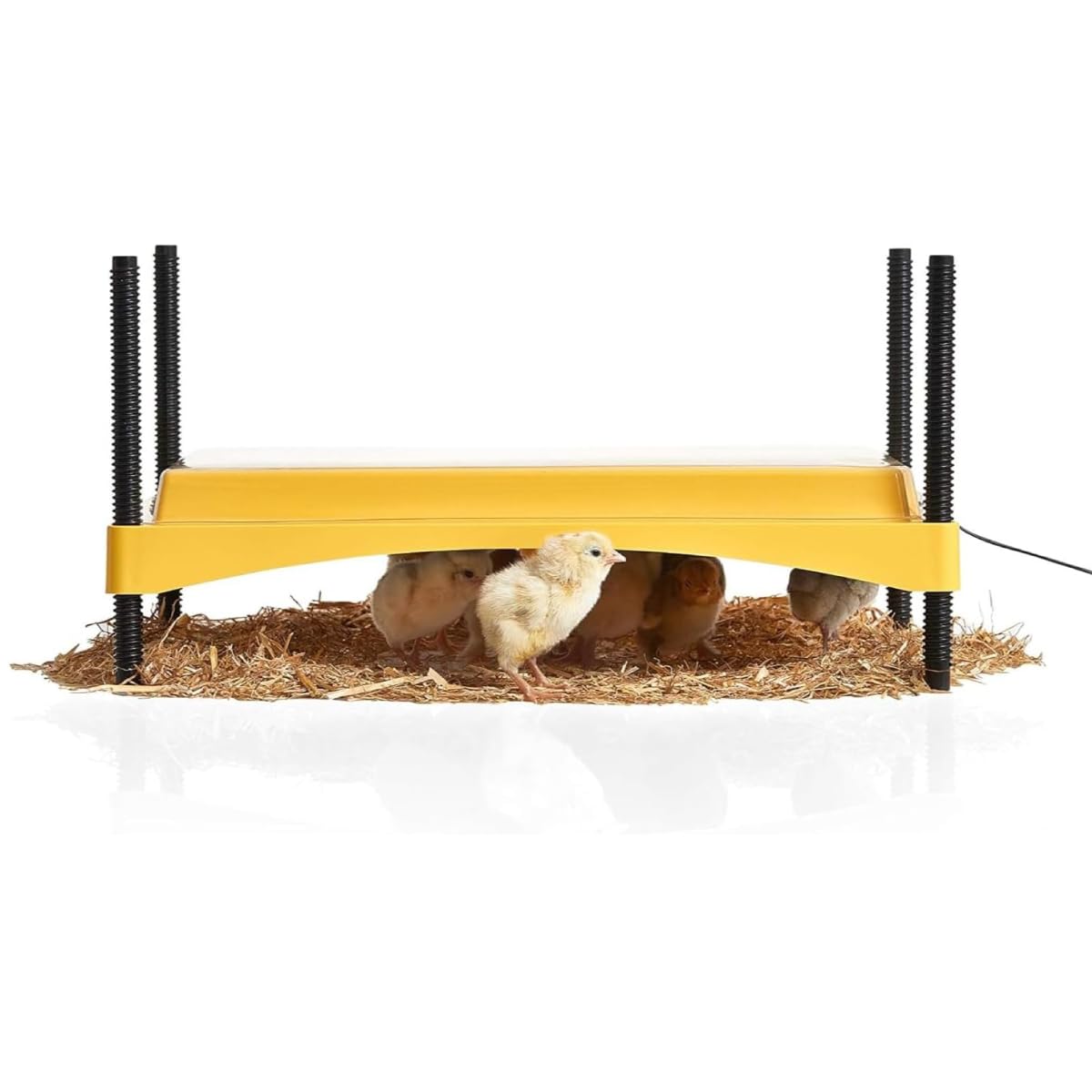
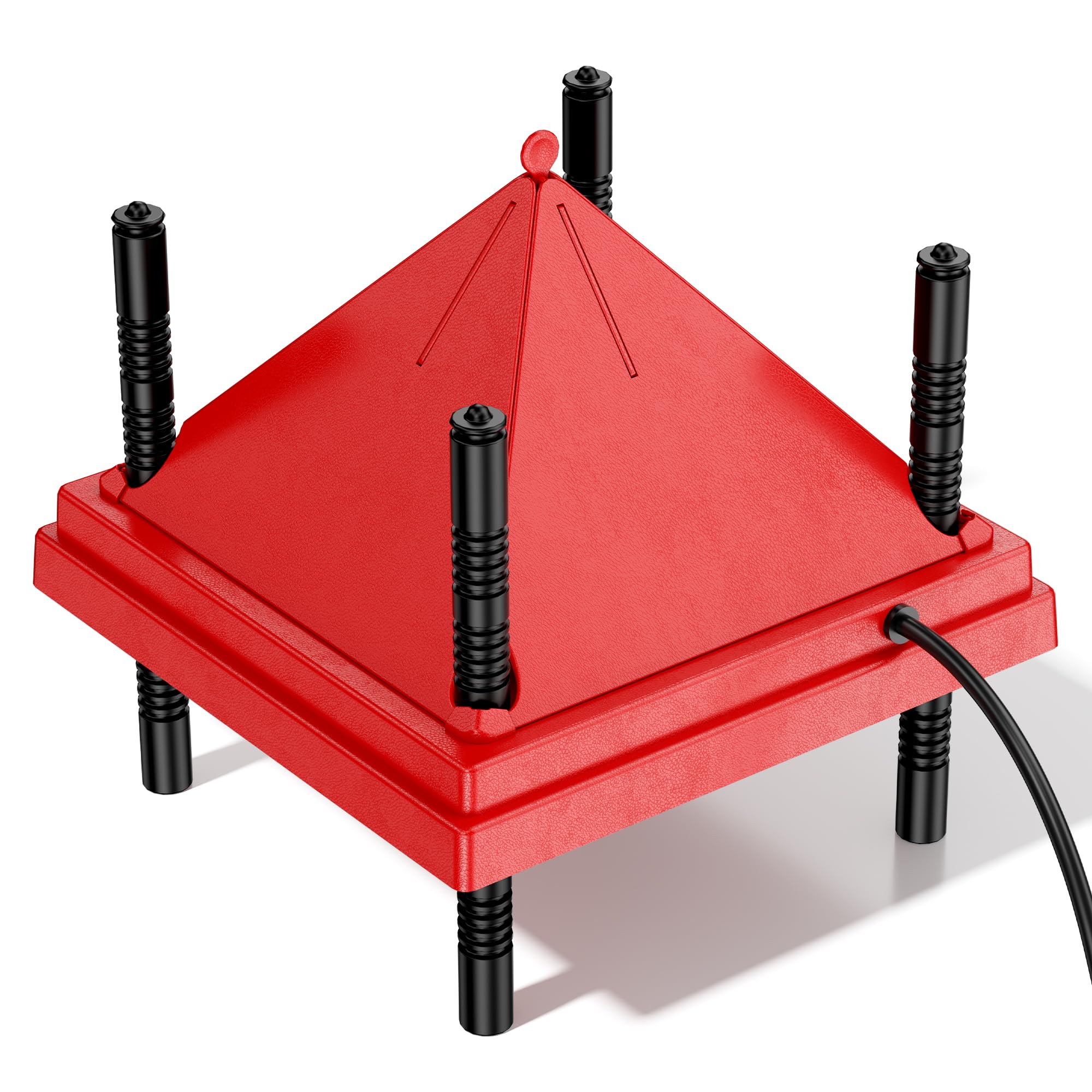
The foldable anti-roost cone is the detail that sold us on the RentACoop 10x10. Chicks like to stand on top of a warm plate, and once they do, the top becomes a crusty mess; the cone makes that perch uncomfortable and keeps the working surface cleaner. The 25 height settings from 1 to 9 inches are the other half of the appeal: you can start low for new chicks and raise the plate as they grow instead of buying a second unit.

At 15 watts, it sips electricity compared with a 250-watt heat lamp, and the 10 x 10 inch plate is rated for up to 15 chicks. The center underside reaches about 107°F, and the plate stays at a consistent temperature rather than cycling through settings. That is enough for a typical backyard batch if the brooder is draft-free and the chicks can touch the underside. In a cold garage, it has less spare heat, so keep the brooder snug and use the lower height settings to bring warmth closer.

We also appreciate how little fiddling it takes: four legs, no programming, and a plate light enough to move between brooders. The anti-roost cone folds flat when you store it, which is a small thing until you are stacking brooder gear in a shed. For a small-to-medium flock, this is the plate we reach for first, and the cone is the feature we miss when we use other plates.

Bottom line: We recommend the RentACoop 10x10 as the default for a typical backyard batch: it grows with the chicks, keeps the top cleaner, and runs on very little power.
2

Brinsea Ecoglow 1200

Brinsea Ecoglow 1200

Large hatches

Our Score 9.0/10
Check Price

Worth Noting

  • Indoor-only; room must stay above 50°F
  • No thermostat; height sets warmth
Power
18 W
Warranty
3 years
Overall Size
17 x 11 x 9 in
Chick Capacity
Up to 35 newborn / 20 older chicks
Read the full review

If you are brooding more than a couple of dozen chicks, the Brinsea Ecoglow Safety 1200 is the plate that makes the most sense. It is rated for up to 35 newborn chicks or 20 older ones, and the 17 x 11 inch panel gives a crowd room to spread out instead of stacking. The 18-watt draw is barely a rounding error next to a heat lamp, and the 10-foot cord gives you real placement freedom.

The premium buys more than size: a 3-year warranty, low-voltage operation, and a clear plastic cover that lifts off for cleaning. We also like the screw-on legs, which feel more deliberate than the push-in legs on cheaper plates. The directions are unusually useful, too. Brinsea notes that a thermometer reads the air, not the radiant heat the chicks feel, and may show 5 to 10°F lower than the effective temperature. That matches what we look for: chicks settled under the plate and moving out to eat, not a number on a gauge.

It is not the plate for every brooder. The capacity and warranty are the point, and a small backyard batch will not use either. For a serious spring hatch, it earns the space.

Bottom line: Our pick for a large hatch is the Brinsea Ecoglow 1200: it holds up to 35 newborns, carries a 3-year warranty, and gives a crowd room to spread out.

3

ZenxyHoC 12x12

ZenxyHoC 12x12

Value brooding

Our Score 9.0/10
Check Price

Worth Noting

  • Leg locks can jam or slip
Plate Size
12 x 12 in
Chick Capacity
20–25 chicks
Overall Height
8.81 in
Anti-roost Cone
Included
Read the full review

The ZenxyHoC 12 x 12 is the plate we point to when someone wants a useful brooder plate without spending much. It is rated for 20 to 25 chicks, includes an anti-roost cone, and stands on four legs instead of the usual two or three, which makes it feel more stable in a busy brooder.

The 12-inch square is a good middle ground for a backyard batch, and the anti-roost cone solves the same messy-top problem as the RentACoop. The four-leg design is also easier to level on uneven bedding. The leg hardware is the part to check: the tabs that lock the legs can jam, and the plate can wobble when a heavier chick jumps on top. For a small brood in a quiet corner, it is fine; for a clumsy setup, spend more.

Heat is the other compromise. Some batches settle under it happily; others need a warmer room or a lower height setting. Treat the 20-to-25-chick rating as a newborn number and plan for fewer as they grow. At this price, that is a fair set of trade-offs, especially with the anti-roost cone included.

Bottom line: We see the ZenxyHoC 12x12 as the value choice for a small flock: the anti-roost cone and four-leg stance are useful extras at a budget price.

4

Shaledig 16x22

Shaledig 16x22

Big flocks

Our Score 8.8/10
Check Price

Worth Noting

  • No user-set thermostat
Power
50 W
Plate Size
16 x 22 in
Height Range
2.56–7.09 in
Chick Capacity
Up to 50 chicks
Read the full review

The Shaledig 16 x 22 plate looks almost comically large next to a 10 x 10 unit, and that is the point. It is rated for up to 50 chicks, draws 50 watts, and has a built-in temperature limiter that cuts heat at 167°F and restarts when it cools. For a big spring hatch or a mixed batch of chicks and ducklings, the extra surface means fewer birds stacked on top of each other.

We like the overheat protection and the 2.56 to 7.09 inch height range, which gives you room to raise the plate as birds grow. The 50-watt draw is still a fraction of a 250-watt heat lamp, though it is the highest here. The metal plate and simple legs feel like a serious piece of equipment rather than a toy. This is the plate for a large, draft-free brooder; in a small tote, it overwhelms the space.

Bottom line: We keep the Shaledig 16x22 for the big-flock buyer who needs 50-chick capacity and overheat protection without a custom brooder build.

5

NUGRIART 10x10

NUGRIART 10x10

Budget small brood

Our Score 8.8/10
Check Price

Worth Noting

  • Acrylic top does not stop roosting
Power
15 W
Cleaning
Removable acrylic top
Plate Size
10 x 10 in
Chick Capacity
Up to 15 chicks
Read the full review

The removable acrylic plate on top of the NUGRIART 10 x 10 is the feature we did not know we wanted. Chicks will find the highest warm spot and leave droppings there; the clear top catches the mess and lifts off for a quick wash, so you are not scrubbing the heater housing. That alone makes it one of the easier budget plates to live with.

It is a 15-watt, 10 x 10 inch plate rated for up to 15 chicks, with legs that adjust for height and angle. The angle setting is useful for a chick that wants to wedge itself under the low side, and the flame-retardant shell is reassuring. For a small batch in a spare room or garage, that is a simple, affordable setup, and the removable top is the detail we keep coming back to.

Bottom line: For a small batch on a budget, we like the NUGRIART 10x10 because the removable acrylic top turns a messy chore into a quick wipe.

6

JXJHOVV Digital 10x10

JXJHOVV Digital 10x10

Precise heat

Our Score 8.8/10
Check Price

Worth Noting

  • Can run below 95°F in a cool room
Warranty
3 years
Plate Size
10 x 10 in
Chick Capacity
Up to 15 chicks
Temperature Range
95–149°F
Read the full review

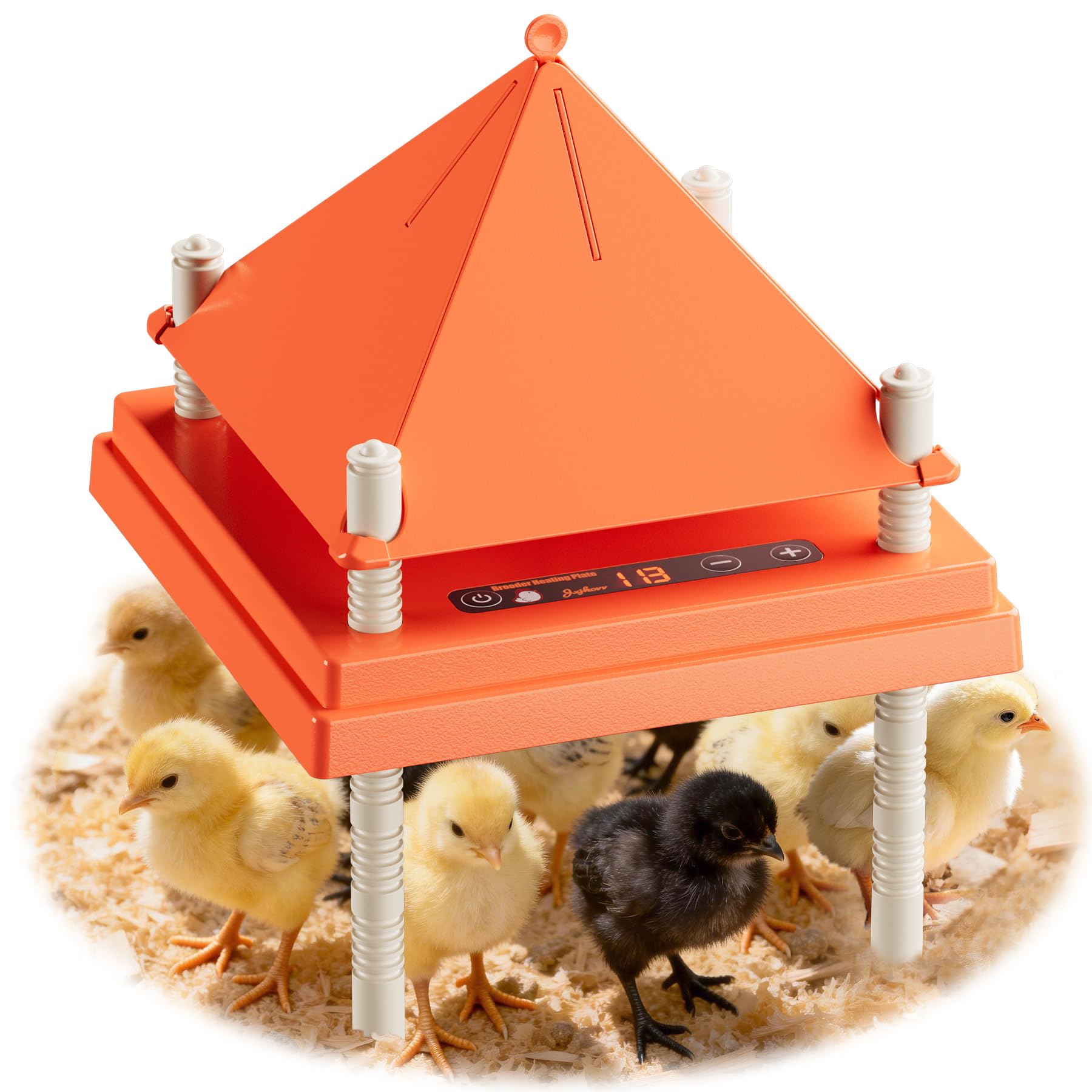
The JXJHOVV's digital display is the reason to consider it over the cheaper analog plates. You can set the core heating element from 95°F to 149°F and see the number without guessing, which is a real convenience when you are brooding in a room that swings between cool nights and warm afternoons.

It is still a 10 x 10 inch plate rated for up to 15 chicks, with stepless height and angle adjustment and an anti-roost cone. The cone is the same practical idea as RentACoop's: keep chicks off the top and the plate stays cleaner. We like that the legs move continuously rather than clicking into a few preset slots, so you can fine-tune the gap under the plate.

The 3-year warranty is unusually long for this price tier, which takes some of the risk out of the digital control. For a small brood where you want to dial in heat rather than guess, this is the one we choose.

Bottom line: We reach for the JXJHOVV digital plate when precise heat matters: the 95 to 149°F control and anti-roost cone make a small brooder easier to manage.

7

Pitalok 12x12

Pitalok 12x12

Mid-size flocks

Our Score 8.8/10
Check Price

Worth Noting

  • No thermostat; height-only control
Power
22 W
Plate Size
12 x 12 in
Height Range
1–7 in
Chick Capacity
Up to 20 chicks
Read the full review

The Pitalok 12 x 12 plate is a good example of a midprice plate that gets the daily-use details right. It has 25 height settings from 1 to 7 inches, so you can raise it in small steps as chicks grow, and the clear cover on top slides off for cleaning. The 22-watt draw is a sensible middle ground between the 15-watt small plates and the 50-watt large ones.

It is rated for up to 20 chicks, and the 12-inch square gives a small flock more room than a 10 x 10 without demanding the floor space of a 16 x 22. The aluminum foil on the underside is meant to spread heat evenly, and the thermal insulation on top helps keep that heat pointed down at the chicks. We like the height markings, which take the guesswork out of matching the plate to the chicks' size.

The cover is not an anti-roost cone, so chicks can still stand on top, but it is easy to remove and rinse. For a backyard batch of a dozen or so, the size and the easy-clean top are a fair trade.

Bottom line: Our midprice pick is the Pitalok 12x12, which gives a dozen or so chicks more room and 25 height steps for growing birds.

8

Tetuga 12x16

Tetuga 12x16

Mid-size hatches

Our Score 8.8/10
Check Price

Worth Noting

  • Preset thermostat; no user-set temperature
Plate Size
12 x 16 in
Thermostat
122–149°F
Height Range
2–7 in
Chick Capacity
Up to 30 chicks
Read the full review

The Tetuga 12 x 16 plate splits the difference between a small 10 x 10 and a full-size 16 x 22. It is rated for up to 30 chicks, draws 30 watts, and has a built-in thermostat that holds the panel between 122°F and 149°F. For a mid-size hatch, that is a useful amount of surface without turning the whole brooder into a hot zone.

The snap-leg design adjusts from 2 to 7 inches and lets you set the plate at an angle, which is handy for chicks that want a warmer corner. The flame-retardant casing and 30-watt draw are sensible for indoor brooding. We also like the plastic cover on top: it is not an anti-roost cone, but it makes the inevitable mess easier to wipe. For the mid-size brood, the footprint and heat range are the reason to pick it.

Bottom line: We recommend the Tetuga 12x16 for a mid-size hatch that needs more surface than a 10-inch plate but not a 50-chick footprint.

9

K&H Small Brooder

K&H Small Brooder

Safety-first

Our Score 8.8/10
Check Price

Worth Noting

  • Limited spare heat in cold rooms
Power
25 W
Plate Size
8 x 13.5 x 8 in
Chick Capacity
Up to 15 newborn chicks
Safety Listing
Safety listed
Read the full review

The K&H Brooder Plate is the one we point to when electrical safety is the first concern. It is safety listed, not just marketed as safer than a heat lamp, and the 25-watt small plate is built for up to 15 newborn chicks. That certification is the reason it costs more than the budget plates with similar capacity.

The 8 x 13.5 inch plate is a different shape from the square plates: longer and narrower, which can fit neatly along the side of a brooder box. The height adjusts as chicks grow, and the wipe-clean surface is simple to maintain. We like the peace of mind, but we do not expect this small plate to carry a big hatch; it is a newborn-and-early-weeks tool, and the capacity drops as the birds grow. In a steady indoor brooder, it does the job quietly, and the safety listing is worth paying for if you are nervous about a heat lamp. It is not the value pick; it is the certified one.

Bottom line: We point safety-focused buyers to the K&H small plate: it is safety listed, compact, and simple to wipe clean for a newborn batch.

How We Tested the Best Brooder Plates

We started by rounding up every brooder plate we could find with a published wattage, at least two height settings, and a cord long enough to reach an outlet without an extension cord. From there we read through customer reviews looking for the complaints that actually matter — thermostats that drift, legs that strip, plates that warp after a few months — and cut the list to 12.

Those 12 plates spent eight months raising chicks in a garage brooder, a small backyard coop, and a utility room that hovers around 55°F. We ran each one from day-old chicks through week six, taking surface temperatures at the plate and at chick height every morning and again at dusk.

Where the chicks settled told us most of what we needed to know. Plates that ran hot sent them to the corners; plates that ran cool had them stacked and chirping. We moved the legs up a notch each week, noting how many settings there were and whether it could be done without lifting the plate off the brooder. We checked that cords stayed cool and plates didn't tip when a chick jostled them, and after each batch we wiped them down, looked for warping or cracked edges, then plugged them back in to see if they still held temperature. We also compared wattage against heat retention and weighed the cost against how evenly each plate held heat.

How to Choose Chicken Brooder Plates

Size the plate to the brood

Capacity claims are usually written for newborn chicks, and they shrink as the birds grow. A 10 x 10 plate is a sensible start for a small backyard batch, a 12 x 12 gives a dozen or so chicks more room, and a 16 x 22 is for a serious hatch. Leave a cool zone around the plate so chicks can move away when they are warm. If the plate fills the brooder, the chicks have nowhere to escape the heat, which is harder on them than a slightly smaller plate.

Height adjustment is your thermostat

Brooder plates warm by contact, so the gap under the plate matters more than the air temperature. Start low for new chicks and raise the plate as they grow; the best plates offer continuous or closely spaced height settings rather than a few fixed slots. Watch the chicks: huddled in a tight pile means too cool, spread to the edges and panting means too warm. Brinsea's own directions make the point that a thermometer reads air temperature, not the radiant heat the chicks feel, so it can read 5 to 10°F low.

Match wattage and safety to the room

Most plates draw 15 to 50 watts, against roughly 250 watts for a heat lamp, which is why they are cheaper to run. Lower wattage also means less spare heat: a 15-watt plate is happiest in a draft-free indoor brooder, while a 50-watt large plate has more margin for a cool room. Look for overheat protection, low-voltage operation, and a flame-retardant housing. If the plate is indoor-only, respect that limit. A cold garage is not the place to test it.

Cleaning and stability are daily-use features

Chicks will stand on top of the plate, and the top will get soiled. An anti-roost cone is the most direct fix; a removable clear cover is the next best thing because it lifts off for washing. Check the legs, too. A four-leg plate can be more stable on uneven bedding, but the leg locks are the weak point on several budget models. Plan on a quick daily wipe and a weekly deeper clean, and unplug the plate before you do it.

Frequently Asked Questions

Final Verdict

For most backyard keepers, the RentACoop 10x10 is the plate to buy first. It handles a typical batch, adjusts through a wider height range than most, and the anti-roost cone solves a messy daily problem. If you are hatching more than 20 chicks, go to the Brinsea Ecoglow 1200 for the extra capacity and warranty; for a big 50-chick hatch, the Shaledig 16 x 22 is the more affordable large plate.