Garden Tools

Best Stirrup Hoes of 2026

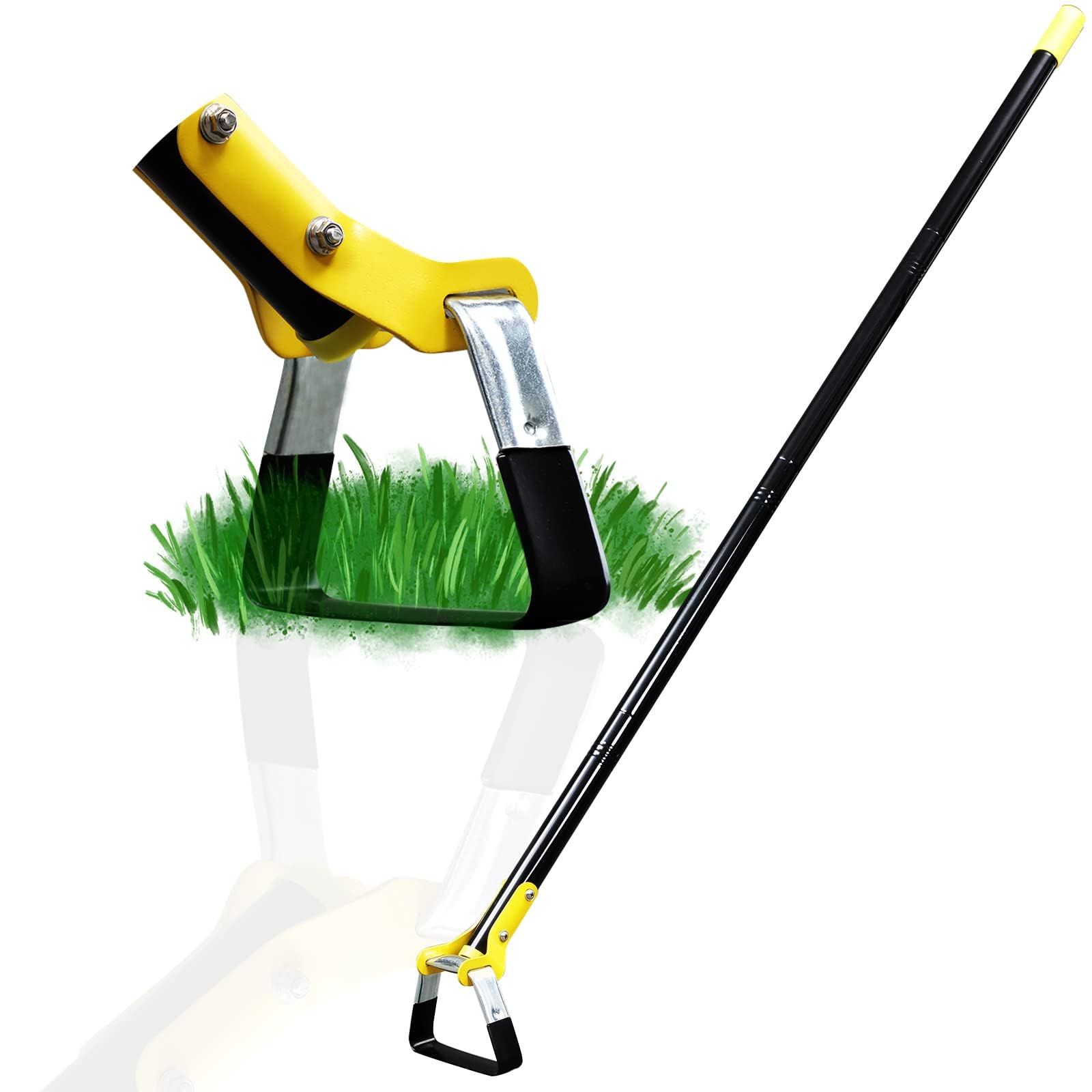
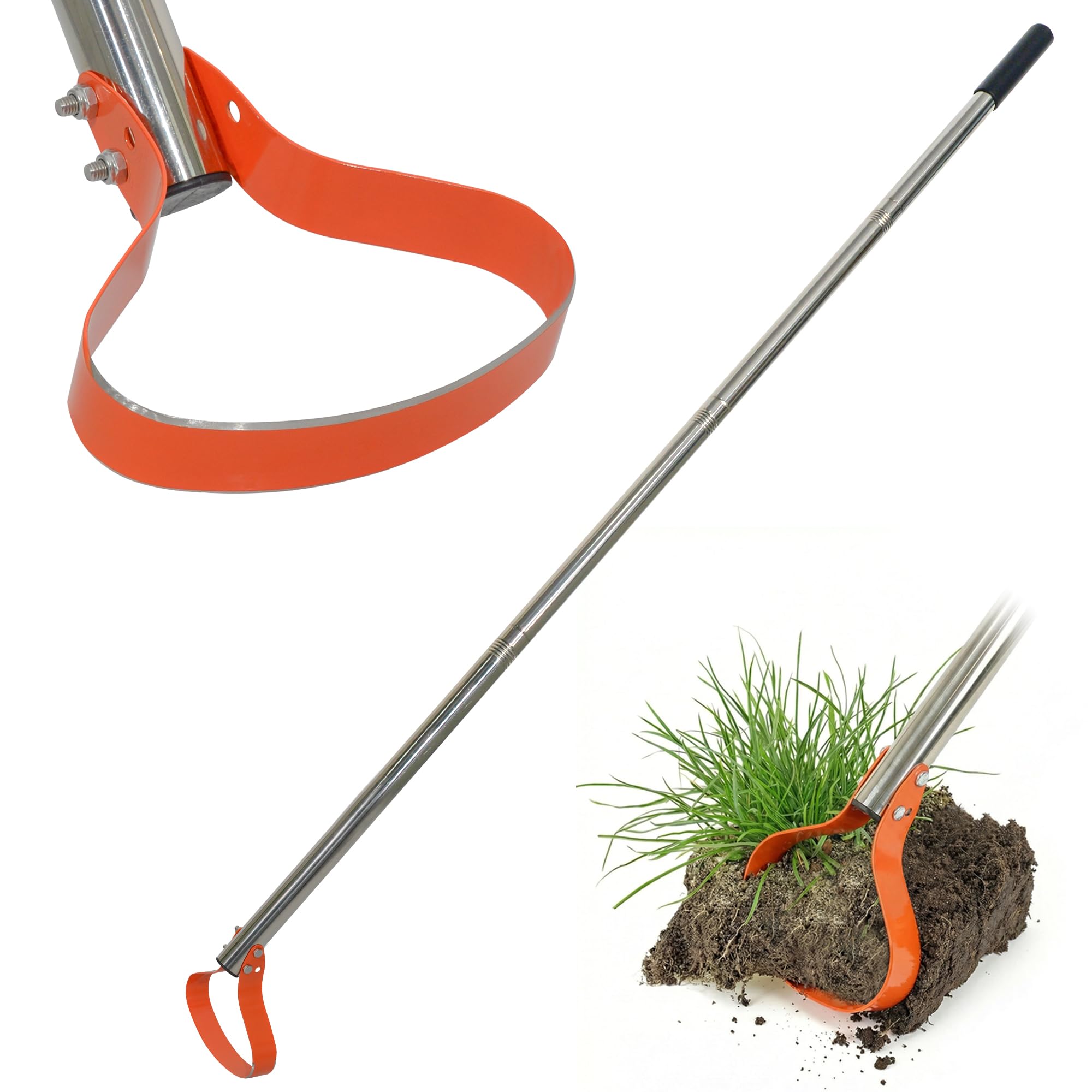
A stirrup hoe looks almost too simple to be the answer to a weedy bed: a loop of steel on a stick. That open hoop is the whole trick. It slides along the soil and slices weed stems just below the crown on both the push and the pull, so you can stand upright and cover ground fast. The trouble is that a dull blade, a wobbly head, or a short handle turns that simple idea into extra work.

I spent a full growing season with 12 stirrup hoes, using them in raised beds, between rows of vegetables, and along a gravel path where chickweed and crabgrass keep showing up. The differences were obvious within a few weeks: some heads loosened after rocky soil, some edges bruised weeds instead of cutting them, and a couple of handles made me stoop. The ones worth buying share a tight head, a sharp edge that holds, and a handle length that lets you work comfortably. Those are the picks below.

1

Hoss Stirrup Hoe

Top Pick
Hoss Stirrup Hoe

Frequent garden weeding

Our Score 9.2/10
Check Price

Worth Noting

  • Slim handle for larger hands
Blade
6 in spring steel
Weight
1 lb
Head Action
20° either way
Handle Length
60 in
Read the full review

A 60-inch ash handle, a waxed finish, and a square peg through the head: the Hoss is the one hoe here that feels like a lifetime purchase. The head is spring steel, the frame is powder-coated, and the waxed ash is the kind of detail that matters when a tool lives outside. We trust the square-peg connection most of all: the head rocks about 20 degrees either way, and the joint stays planted through a push-pull stroke. That combination gives it the cleanest cutting action in this group.

The 6-inch blade is sharpened on both sides, so it cuts whether you push or pull. In a bed of young weeds, that rhythm is quick: you skim just below the surface and the blade slices rather than tears. The 60-inch handle lets you work from the edge of a bed instead of stepping into it, and at 1 pound the tool is light enough to carry from plot to plot. We also like the waxed ash handle for grip; it feels warmer and less clattery than the steel shafts on the budget hoes.

The catch is the price. It costs more than the rest of this group, and that is the decision you have to make: pay once for a tool that feels solid, or spend less and accept more flex. For a vegetable patch you weed every week, we think the Hoss earns its keep.

Bottom line: The Hoss is our top pick for gardeners who weed often: the spring-steel blade cuts both ways, the square-peg head stays tight, and the ash handle reaches without bending.

2

Cogardenshower 2-in-1 Hoe

Cogardenshower 2-in-1 Hoe

Mixed bed work

Our Score 8.8/10
Check Price

Worth Noting

Head
Stirrup and 4-tine rake
Weight
2.86 lb
Handle Length
60 in
Handle Diameter
1.2 in
Read the full review

An anti-loose sleeve is the detail that separates the cogardenshower from the bargain two-in-ones. The 1.2-inch segmented shaft has a sleeve at the joint, and the head combines a stirrup blade with a four-tine cultivator. It is a familiar shape, but that sleeve is the part that helps the tool feel planted when you push.

We like this one for mixed beds where you alternate between slicing weeds and scratching up soil. The 60-inch handle gives you room to work upright, and the 2.86-pound build feels more planted than the lightest tools here without becoming a chore to carry. The four-tine side is useful for breaking up crusted soil before a pass with the blade.

Assembly is the weak spot: the sections thread together, and if you cross-thread them, the tool feels loose. We take a minute to align them and check the sleeve before we start. The blade can rust if it goes away wet, so dry it before storage. Those are small habits, not reasons to avoid a tool that covers two jobs well.

Bottom line: The cogardenshower is the two-in-one we pick for mixed beds: the anti-loose handle and four-tine cultivator make it a genuine bed-prep tool.

3

Truper Tru Tough Scuffle Hoe

Truper Tru Tough Scuffle Hoe

Classic scuffle hoe

Our Score 8.8/10
Check Price

Worth Noting

  • Premium price for a simple hoe
Head
Triangular scuffle
Weight
1 lb
Handle Length
54 in
Handle Material
Wood
Read the full review

A triangular steel head on a 54-inch hardwood handle, with no extra rake and no adjustable sections: that is the Truper Tru Tough. The lack of adjustment is the point. There are no threaded joints to check before you start, and the fixed wood handle gives the tool a direct, old-fashioned feel.

The head cuts weed roots just below the surface, and the long handle lets you work standing up. At 1 pound, it is light enough to use for a long pass along a row, and the wood handle stays comfortable in the hand. We like the narrow triangular shape for working between plants; it is easier to place than a wide two-in-one head.

We recommend it for gardeners who already know they like the classic push-pull rhythm and want a tool that feels like a hand tool, not a gadget. It is not the easiest choice if you need one implement to loosen soil and weed, and the blade may need a few strokes with a file when new. For straightforward bed maintenance, though, it is a quiet, sturdy companion.

Bottom line: The Truper is the traditionalist's choice: a fixed wood handle and a simple triangular blade for gardeners who want a quiet, sturdy scuffle hoe.

4

BARAYSTUS Loop Hoe

BARAYSTUS Loop Hoe

Adjustable storage

Our Score 8.8/10
Check Price

Worth Noting

  • Handle sections can break under load
Weight
1.8 lb
Handle Length
55.9 in
Handle Material
Stainless steel
Height Settings
3
Read the full review

Three handle lengths from one sectional shaft make the BARAYSTUS the most flexible hoe here for storage and sharing. The sections add up to a 55.9-inch handle, and you can leave sections out for shorter working heights. The loop head is a simple hollow triangle that slides under the topsoil.

The 1.8-pound build is light enough to carry along a row, and the stainless-steel shaft has a straightforward screw-together assembly. We like the loop shape for skimming small weeds in loose beds; it glides under the surface and leaves the soil fairly level. It is not the strongest cutter in this group, but it is easy to control.

We see it as a good adjustable loop hoe for smaller beds and for anyone who wants to break the tool down for storage. The three heights are genuinely useful if two people share the same hoe. Check the blade edge before a hard session; this is a light-duty tool, not the one for a neglected, compacted plot.

Bottom line: The BARAYSTUS is a sensible adjustable loop hoe for smaller beds and shared tools, with three height settings and a light build that stores easily.

5

Oliynedy 2-in-1 Hoe

Oliynedy 2-in-1 Hoe

Budget bed prep

Our Score 8.6/10
Check Price

Worth Noting

  • Blade may need sharpening for tough weeds
Head
Blade and 4-tine rake
Weight
16 oz
Handle Length
32 and 62 in
Handle Diameter
1 1/7 in
Read the full review

Two jobs, one head, and a handle that unscrews from 32 to 62 inches: the Oliynedy is the budget option we keep recommending. It puts a four-tine cultivator on one side and a hoe blade on the other, and the combination is handy: you can loosen a bed and skim weeds without changing tools. The 16-ounce weight makes it easy to carry along a row, and the stainless-steel shaft has a thicker feel than the price suggests.

We like it best as a first stirrup hoe or a second tool for raised beds. The long setting gives you real stand-up reach, while the short setting is useful for close work around plants. The four-tine rake is the part we use for scratching a seedbed or lifting small weeds; the blade side is for the quick pass. It is not the tool for deep taproots, but for surface weeds and loose soil it is quick.

The sections can work loose, so we tighten them before a session; that is a small ritual, not a dealbreaker. For light weeding and bed prep, it is the value pick.

Bottom line: Choose the Oliynedy if you want a versatile two-in-one for light weeding and bed prep without spending much; it is the value pick here.

6

DonSail Adjustable Hoe

DonSail Adjustable Hoe

Shorter gardeners

Our Score 8.4/10
Check Price

Worth Noting

  • Shaft can break at the joint
Head
Hollow loop
Weight
2.64 lb
Handle Length
30 and 43 in
Handle Diameter
1.3 in
Read the full review

At 30 to 43 inches, the DonSail is the shortest long-handled hoe here, and that is its job. It suits gardeners who find a 60-inch shaft unwieldy or who weed raised beds from a stool. We recommend it for shorter users and tight spaces, not as the default for a big plot. The 1.3-inch steel handle gives it more heft than the budget two-in-ones.

The push-pull head makes fast work of small weeds, and the adjustable length is easy to change by adding or removing sections. The long setting is still short enough to control in a crowded bed, and the tool stores in a small space. We like it for container gardens and narrow rows where a full-length hoe feels clumsy.

The shorter reach also means more bending for taller gardeners, so measure your comfortable working height before you choose it. The 30-inch setting is almost a hand tool, so this is not the one for a big plot. For the right user, it is a compact, capable weeder.

Bottom line: The DonSail is our pick for shorter gardeners and tight beds: the 30-to-43-inch handle and sturdy steel shaft make stand-up weeding manageable in small spaces.

7

CKLT Weed Remover

CKLT Weed Remover

Light maintenance

Our Score 8.4/10
Check Price

Worth Noting

  • Handle connections feel light-duty
Head
Double-sided loop
Blade
15° spring steel
Weight
2.94 lb
Handle Length
35 to 63 in
Read the full review

A double-sided loop blade is the clever bit: when one edge dulls, you flip the head to the second edge instead of sharpening right away. That is a real convenience if you weed in short sessions and do not want to stop for maintenance.

The 15-degree spring-steel blade is meant to slice just below the surface, and the four-section stainless handle adjusts from 35 to 63 inches. The 2.94-pound build is lighter than the Hoss or the Truper, and that is the trade-off: it is easy to swing but less planted in tough ground.

In muddy or damp soil, the blade can slide instead of bite, and the lighter build feels less planted than the Hoss. We keep it for dry beds, raised beds, and light cleanup. The flip blade is the reason to consider it; the lighter build is the reason to keep a heavier hoe for the first pass.

We see the CKLT as a good second hoe for light maintenance, especially if you like the idea of a fresh edge without a file. It is not the one we pick for a neglected, compacted plot. For a raised bed you keep on top of, it is a smart, low-effort tool.

Bottom line: The CKLT is a smart pick for light weeding and raised beds, where its flip-to-fresh-edge blade saves sharpening time and the long handle spares your back.

How We Tested the Best Stirrup Hoes

I began with a shortlist of stirrup hoes sold by garden suppliers and hardware brands, then narrowed it by steel thickness, head width, handle material, and whether replacement blades or handles were sold. I ended up with 12 hoes and used each one through a full growing season, from the first spring flush of chickweed to the late-summer cleanup. They lived in raised beds, between vegetable rows, along a gravel path, and in one clay-heavy patch that turns hard between rains.

For models that arrived unassembled, I timed how long it took to attach the head to the handle; for all of them, I checked whether the head sat square and noted any wiggle at the connection before the first use. Then I used each hoe for 20-minute stretches at different bed heights and swapped between taller and shorter users to see whether the handle let us stand upright or forced a stoop. I also paid attention to wrist angle and whether the head skipped over clods or caught on roots.

For weeding effectiveness, I kept a rough count of passes needed to clear a three-foot row of chickweed, crabgrass, and purslane, and I checked whether the blade cut stems cleanly or just knocked the tops off. Out of the box, I tested sharpness by slicing each blade through a sheet of newsprint; after two hours in rocky soil, I checked whether it still cut or bruised weeds. To check durability, I left each hoe outdoors for a week, then looked for rust at the weld, wobble at the ferrule, and cracks in the handle. At the end, I weighed what each hoe cost against how it held up, whether the handle stayed tight, and whether replacement parts were easy to find.

How to Choose Stirrup Hoes

Start With Handle Length and Adjustment

Stand-up weeding starts with a shaft long enough that your back stays straight. Most of the long-handled hoes here run 60 inches, while adjustable models break into sections for storage or for shorter users. A fixed handle feels more direct; a segmented one is easier to store but adds joints to check. Measure from the ground to your relaxed grip before choosing, then favor the longest handle you can control. A 60-inch shaft is a sensible default for most adults, and a shorter 30-to-43-inch model makes more sense in tight raised beds.

Match the Head to the Weeding Job

A stirrup or loop head slides just below the soil surface and cuts weed roots on the push and pull, which makes it fast for small and medium weeds in beds and mulch. A two-in-one adds a four-tine cultivator for loosening soil, but the extra head can make the tool feel busier. Choose a dedicated loop hoe for routine maintenance and a two-in-one when you also need to scratch up a seedbed. Sharpness matters more than the label: a spring-steel edge that meets the soil cleanly beats a thick blade that skates over it.

Check the Joint Before You Fall for the Features

Most long-handled hoes arrive in sections, and the connection is where a bargain can turn frustrating. Threaded joints can loosen, wobble, or cross-thread; an anti-loose sleeve or a square-peg head gives you a more planted stroke. Before buying, look for a locking collar, a bolt through the head, or a fixed handle if you weed often. A slightly heavier tool with a tight joint is easier to use than a light one that twists. Tighten every section before you start, and check them again after a hard session.

Match the Tool to Your Soil and Body

Stirrup hoes work best on dry to slightly damp soil and on weeds small enough to slice below the crown. In wet clay or deep taproots, the blade can slide or stall; wait for better conditions or use a digging fork first. Weight and grip matter too: a 1-pound head is easy to carry, while a 3-pound tool feels more planted but tires faster. Wood handles feel warm and fixed; steel sections are more adjustable. If you share tools, three height settings are more useful than a single long shaft.

Frequently Asked Questions

Final Verdict

The Hoss is the stirrup hoe we recommend first. Its spring-steel blade cuts in both directions, the square-peg head stays planted, and the ash handle gives you a full 60 inches of reach. If you weed a large garden every week, that combination justifies the premium. For lighter beds or a tighter budget, the Oliynedy covers weeding and soil loosening in one adjustable tool; the Truper is the choice when you want a fixed wood handle and nothing extra.