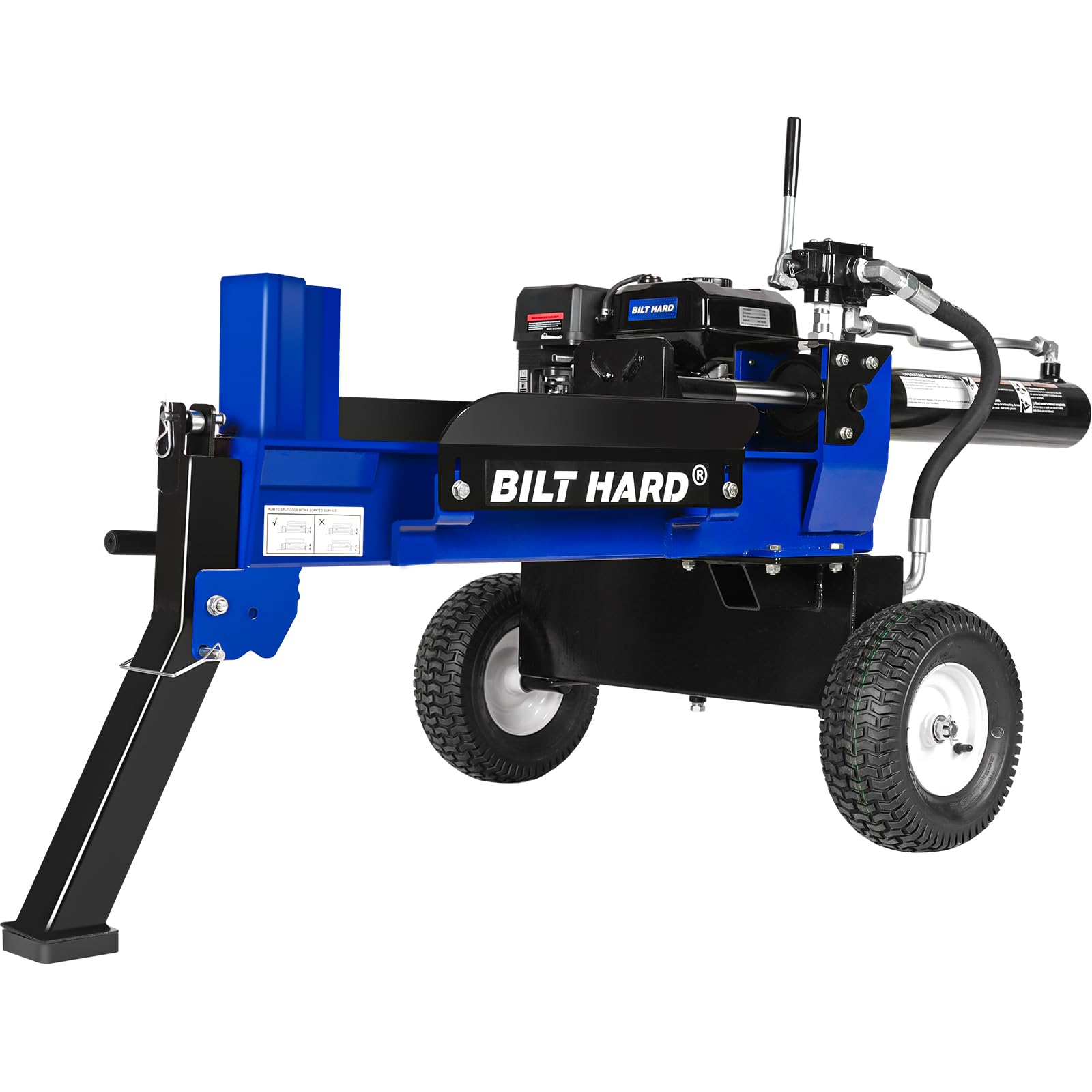
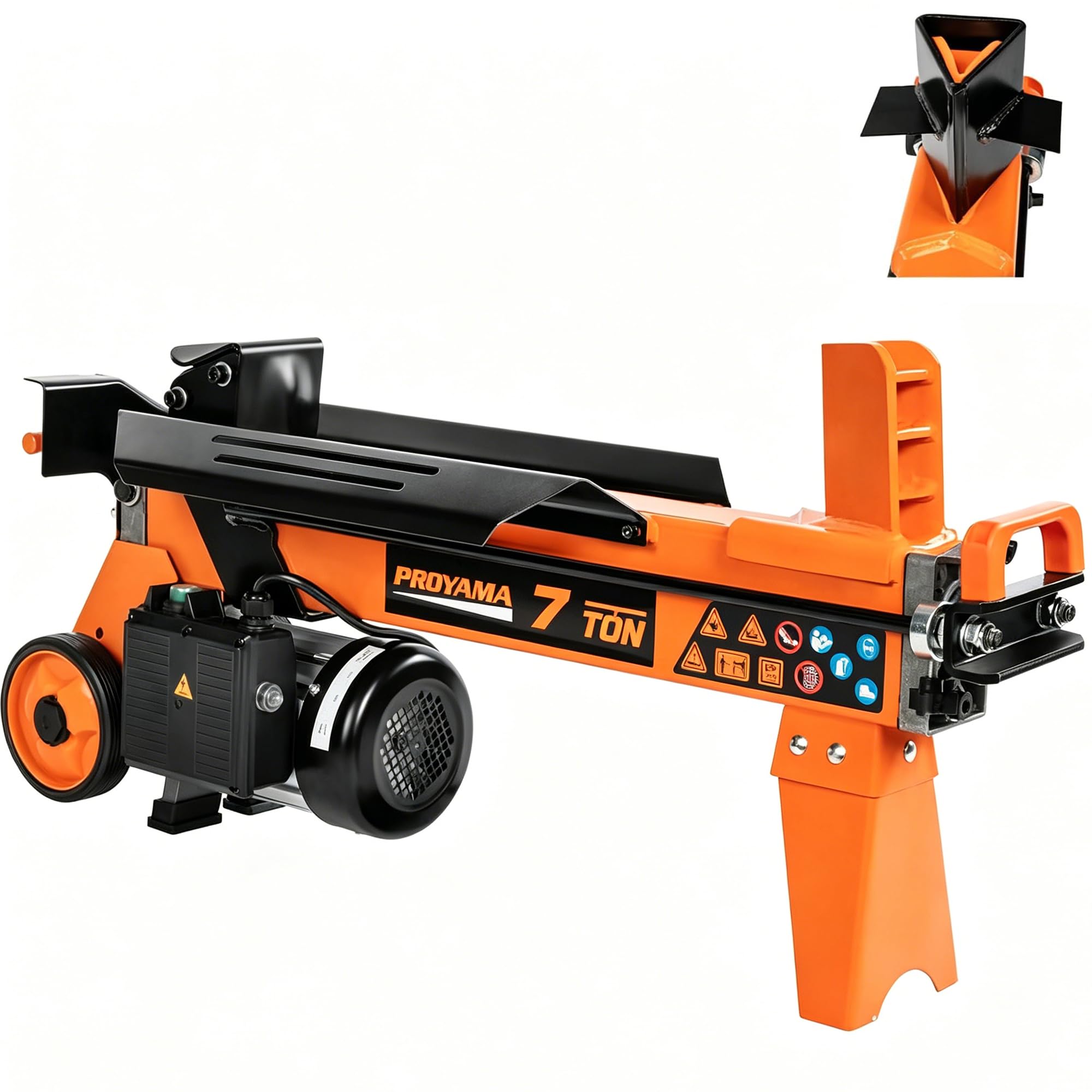
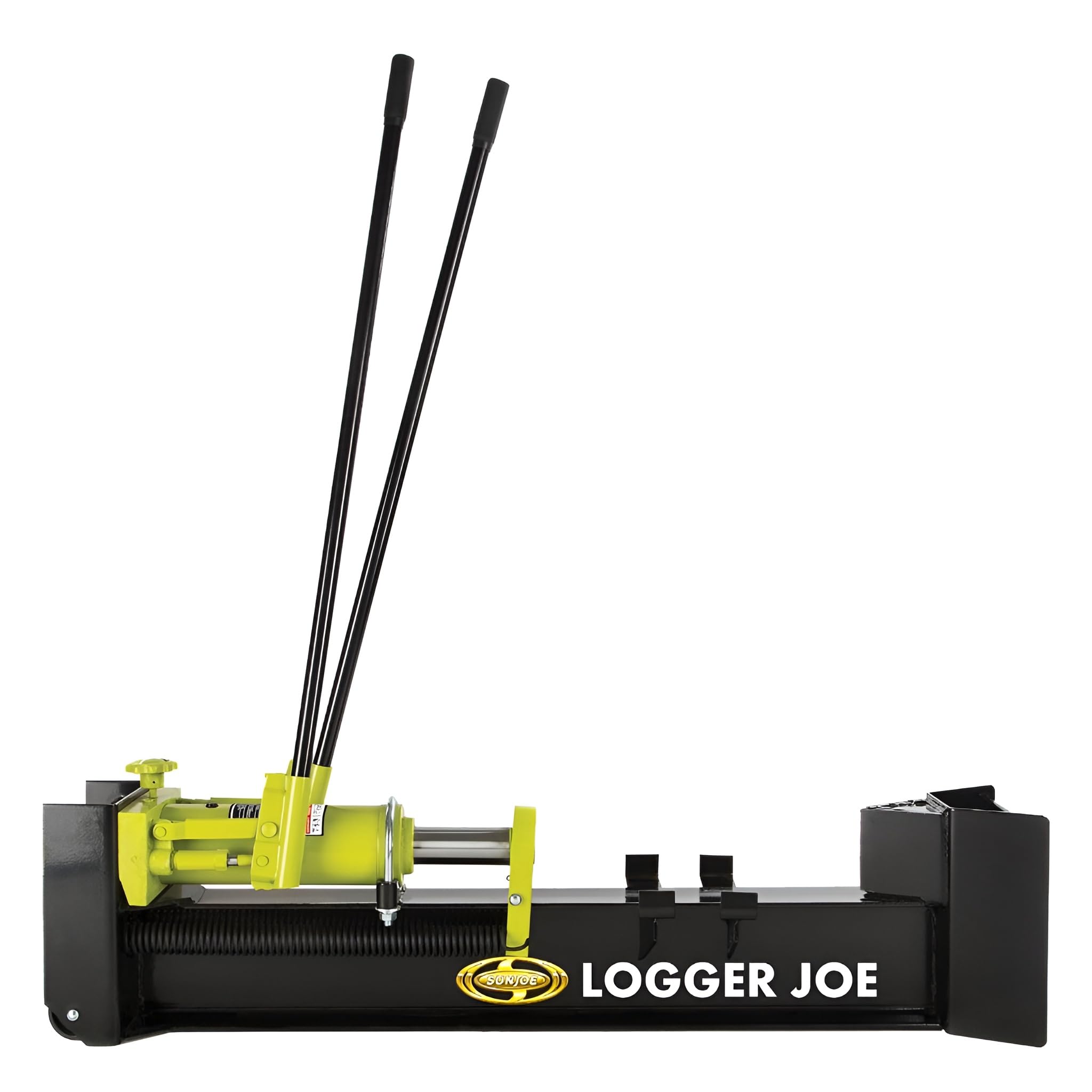
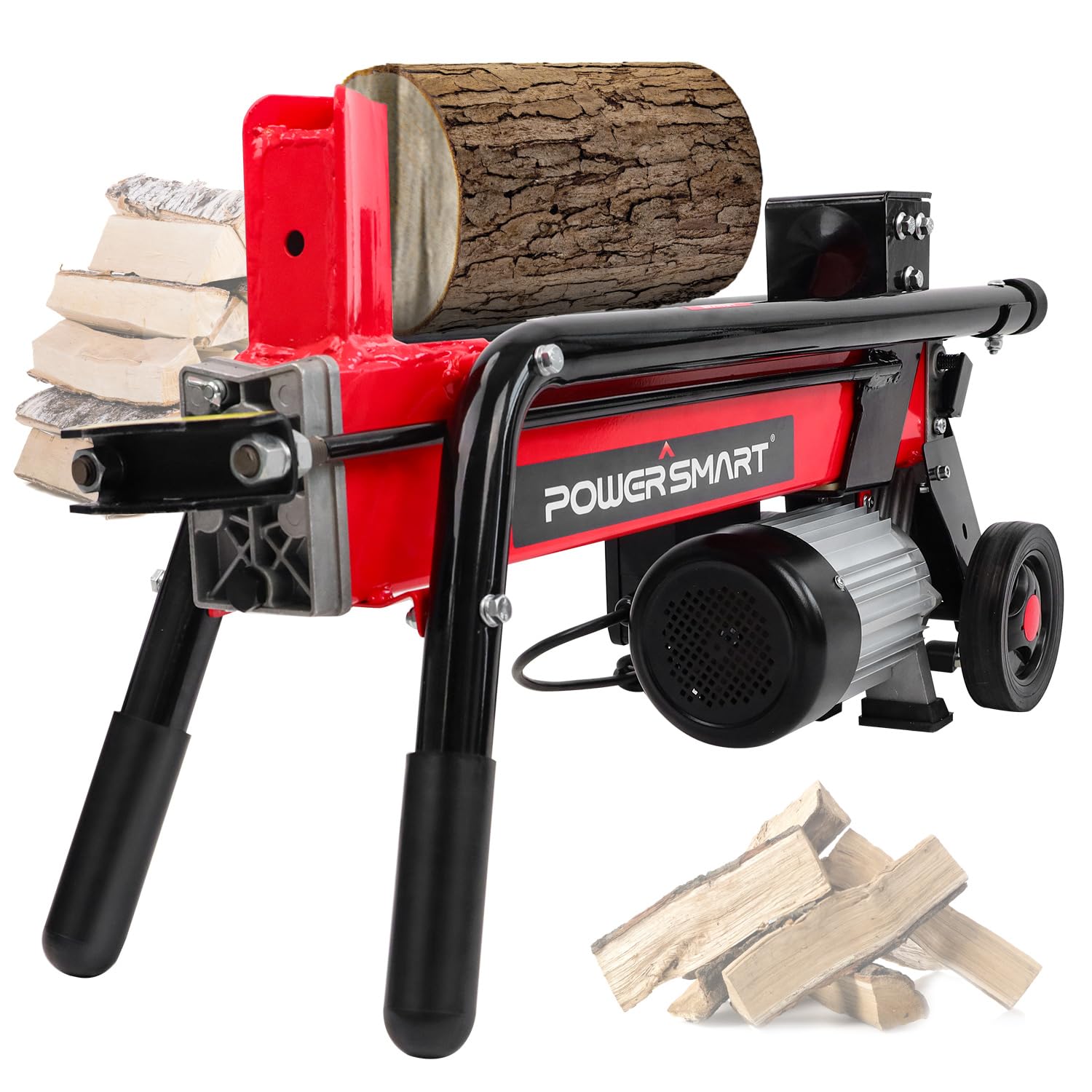
To build our shortlist, we started with the machines that show up again and again in owner forums and retailer reviews, then narrowed by power source, tonnage, wheel size, and budget so we weren't comparing a compact electric splitter to a commercial gas unit. We ended up with six models and spent eight months with them, working through the same pile: straight-grained ash, knotty oak, and a few crotch pieces that had already beaten a maul. Each one was run solo on grass, gravel, and a slight slope, because that's where a splitter actually lives.
We paid attention to the things that make a difference at the woodpile. We noted whether the wedge powered through a knot or stalled and needed a second pass, and counted how many rounds split cleanly versus how many had to be re-racked. We timed full cycles and repeated splits, then watched whether the machine stayed planted on uneven ground or rocked and chased us. We rolled each one over gravel, grass, and a doorsill to see whether the wheels actually helped or just looked the part. We also weighed them and tried moving them alone, because a splitter that takes two people to reposition is a splitter you use less.
We ran each one solo and noted how easy it was to set up, load, and cycle—especially with gloves on. After eight months, we checked for leaks, loose fittings, cracked hoses, and wear at the wedge, and we compared what each machine could handle against what it cost. We didn't keep a model that only performed on perfect, straight-grained wood, and we didn't reward speed if it came with a machine that felt unstable or wore us out. The six that made the cut are the ones that kept splitting without drama.