Garden Tools

Best Gardening Gloves of 2026

A good gardening glove has to do two opposite things at once: stop thorns, splinters, and grit, yet stay thin enough that you can feel a seedling between your fingers. Most pairs I've pulled on fail on one side or the other, either stiff as a board and useless for tying a tomato vine, or so flimsy that the first blackberry cane goes straight through. What you're really buying is a pair of hands that come back out of the bed in the same condition they went in.

Over the past eight months my team and I worked through 14 pairs, from cheap coated cotton to supple goat skin, and put them through planting, weeding, and fall cleanup. Here's the thing nobody tells a first-time buyer: glove size is measured around your palm, not your finger length, and a pair that's slightly too big will bunch at the fingertips and blister you faster than a snug one. Fit and comfort decided most of our calls, with protection and durability right behind, and only a handful of pairs justified their price once the seams started talking. The ones that held up are below.

1

COOLJOB 6-Pair Gardening Gloves

Top Pick

COOLJOB 6-Pair Gardening Gloves

Everyday garden tasks

Our Score 9.4/10
Check Price

Worth Noting

  • Not thorn-proof for roses or brambles
  • Only medium size offered
Care
Machine washable
Size
Medium
Pack Size
6 pairs
Construction
Latex-coated polyester knit
Read the full review

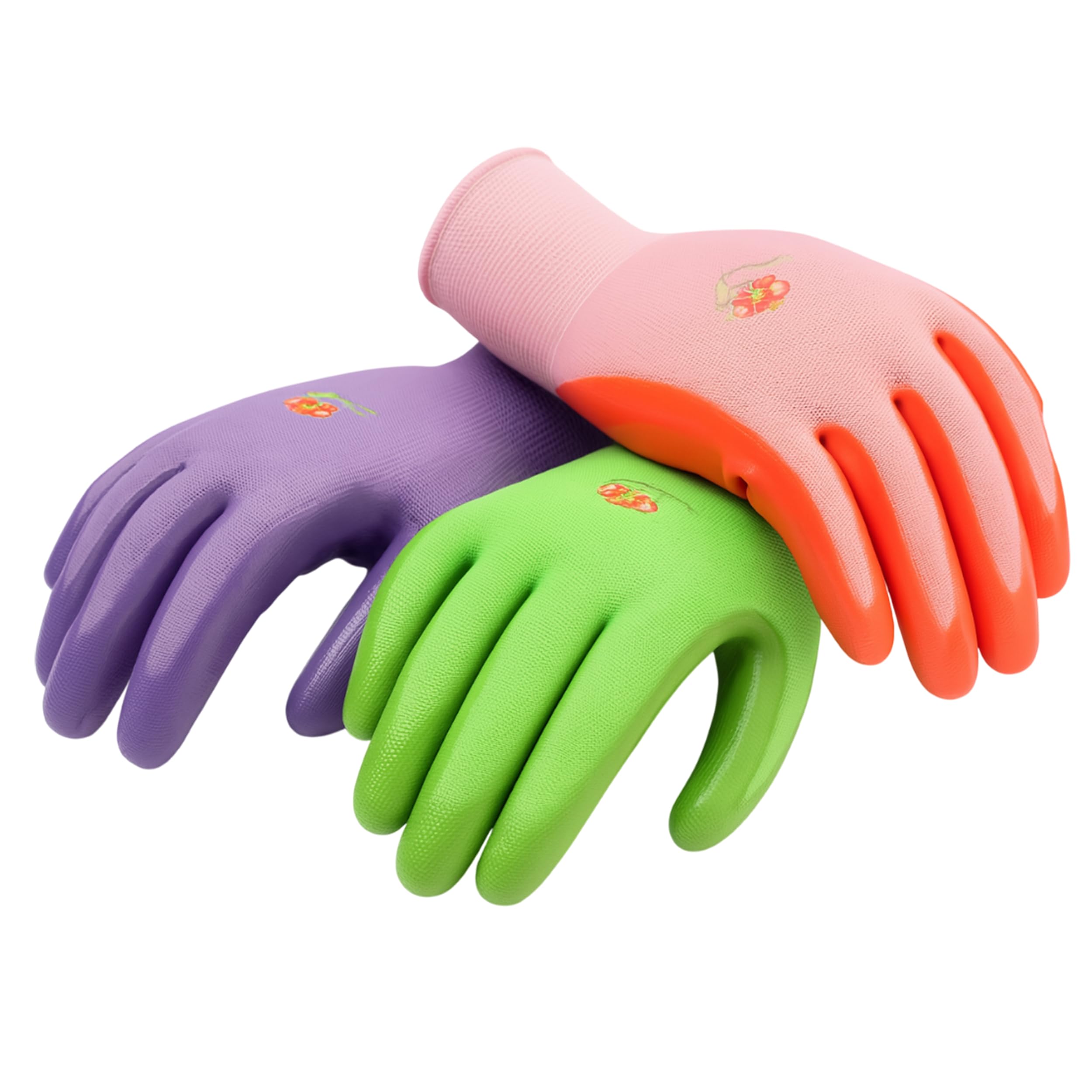
The first thing that stands out about the COOLJOB set is the six-pair bundle. That sounds like a storage problem until you realize how often a gardening glove goes missing, gets soaked, or ends up in the wrong shed. We keep one pair by the back door and another in the potting bench, and the bright red and green make them easy to spot in a heap of soil and tools.

For planting, weeding, seeding, and general yard tidying, these are the pair we reach for first. The knitted polyester back breathes far better than solid leather on a warm afternoon, while the foamed latex palm gives enough grip for wet handles and muddy weed pulls. The snug knit wrist keeps most debris out without leaving a mark, and the coated palm lets you feel small seeds and delicate roots—something stiff leather gauntlets simply cannot do. Machine washable is the practical bonus: hose them off, wash on gentle, and air dry.

What makes the set easy to live with is the rotation: one pair stays clean for potting, one gets muddy for weeding, and there is always a dry spare. The medium fit is snug, which is why they feel so tactile, and the elastic wrist is the detail that keeps grit from working its way in. If you want a glove that covers most garden jobs, this is the closest thing here to a default.

Bottom line: Buy the COOLJOB six-pack if you want a breathable, grippy glove for everyday planting and weeding; it's the pair we reach for first and the value is hard to beat.

2

HANDLANDY Rose Pruning Gloves

HANDLANDY Rose Pruning Gloves

Thorny rose pruning

Our Score 9.2/10
Check Price

Worth Noting

  • Thorns can still find seams and thin spots
  • Only large size offered
Palm
Padded, reinforced
Size
Large
Material
Pigskin leather
Cuff Length
42 cm
Read the full review

The long gauntlet is the reason to buy the HANDLANDY pair. It reaches most of the way to the elbow, so you can push your forearm into a rose bush without the usual scratches, and the pigskin palm is padded and reinforced where thorns tend to find you. We wore these through a session of pruning and clearing, and the difference from a short coated glove is immediate: you stop flinching.

Pigskin is the right material for this job. It breathes better than cowhide, dries soft after getting damp, and the leather is supple enough to work pruners and pull small weeds without feeling like you are wearing a boxing glove. The extended synthetic cuff is the other detail we appreciate—it covers the wrist gap that short gloves leave open, which is exactly where brambles seem to aim.

The large fit is generous, and the leather starts stiff, so give it a few wears to soften and consider a snug liner if you are between sizes. That break-in period is the trade-off for the padding and coverage, and it is a fair one for anyone who prunes more than once a season. For roses, holly, and berry bushes, this is the pair that makes the job less nerve-racking.

Bottom line: For rose bushes, brambles, and anything with a bad attitude, the HANDLANDY gauntlet is the pair we hand to friends; it makes pruning feel less like a fight.

3

SLARMOR Long Thorn-Proof Gloves

SLARMOR Long Thorn-Proof Gloves

Heavy brush clearing

Our Score 9.2/10
Check Price

Worth Noting

  • Heavy cowhide gets hot in summer
Cuff
Elbow-length gauntlet
Palm
Full-grain leather
Size
Large
Material
100% cowhide
Read the full review

The SLARMOR gloves feel like a piece of safety gear first and a gardening glove second. The full-grain cowhide is thick, the cuff runs to the elbow, and the reinforced palm has enough substance that you can grab a handful of blackberry canes without the usual wince. If your garden has more brambles than beds, that is exactly the point.

We rate these highest here for heavy brush and cactus work. The cowhide takes abrasion better than the coated knits, and the long gauntlet covers the forearm gap that short gloves leave exposed. The Gunn cut and keystone thumb give the fingers a natural curve around pruners and loppers, so the glove is stiff but not clumsy. It is built for clearing, not for delicate work—the protection is worth the trade.

The fit is the thing to get right. The large runs generous, so if you are between sizes, size down; a loose gauntlet is worse than a snug one when you are gripping canes. That generous cut also leaves room for a thin liner on cold mornings. For the heaviest, thorniest jobs in this group, we still reach for these first.

Bottom line: Choose the SLARMOR gauntlets when the job is blackberry canes, cactus, or overgrown brush; they are the most armored pick here for forearms and hands.

4

G&F Nitrile-Coated Garden Gloves

G&F Nitrile-Coated Garden Gloves

Small hands

Our Score 9.2/10
Check Price

Worth Noting

  • Thin coating offers little thorn protection
Fit
Runs small
Style
Women's
Coating
Micro foam nitrile
Read the full review

If most women's gardening gloves still leave you with too much room at the fingertips, the G&F pair is worth a look. The nitrile-coated knit runs snug—genuinely small rather than just a standard women's medium—and that close fit is why they feel so usable for weeding, potting, and picking through tangled stems.

The micro foam nitrile palm is the other half of the appeal. It grips wet tools and muddy roots without the bulk of leather, and the knit back keeps your hands from turning into a swamp on a warm day. We found them especially good for fine work: you can pinch out seedlings or sort plant ties without peeling the glove off. The bright colors are a small bonus when you are hunting for a dropped glove in the border.

The sizing is the catch. These run small, so if you are not genuinely small-handed, size up or choose a different pair; the same close fit that helps a small hand will feel restrictive on a larger one. They are the pair we leave in the kitchen drawer for quick potting jobs and impromptu weed pulls. For light chores and smaller hands, they are a sensible, affordable pick.

Bottom line: The G&F nitrile-coated gloves are the ones we pass to anyone with genuinely small hands; they're flexible, grippy, and affordable enough to keep a spare pair.

5

Bamllum Leather Garden Gloves

Bamllum Leather Garden Gloves

Budget light duty

Our Score 9.2/10
Check Price

Worth Noting

  • Thorn protection is unreliable
  • Thin palm may wear through quickly
Palm
Padded
Style
Women's
Material
Leather palm
Read the full review

The Bamllum gloves are the budget leather-look pair of this group, and they are best approached with modest expectations. The palm is padded and comfortable, the fit is true for a women's glove, and they cost less than the leather gauntlets—three things that make them easy to throw in a bucket for light digging and potting. The listing calls them leather, but the palm feels more like a padded synthetic than a supple hide, so treat the material claim as a marketing flourish.

The design is simple: a padded palm, a solid fabric back, and a snug women's cut. We found them comfortable for dry digging and potting, and the padding takes the sting out of a trowel handle. The palm is soft enough to flex around a hand trowel, and the wrist sits close without pinching. The solid back gives them a more substantial feel than the thin coated knits, which suits cool mornings and light yard work.

If you garden every weekend, a breathable multipack or a proper leather pruning glove will feel more comfortable and precise. If you need a cheap spare pair for light work, or a second pair to keep in the shed for unplanned yard work, these earn a place.

Bottom line: The Bamllum gloves are a comfortable, low-cost spare pair for light digging and potting, and a sensible choice if you want a second set without spending much.

How We Tested Every Pair, From Seedling to Fall Cleanup

We started with a list of more than 60 gloves and narrowed it by material, palm thickness, price, and available sizes, because a surprising number of brands sell one universal size and call it done. That got us to 14 pairs, spanning nitrile-dipped knit, latex-coated cotton, synthetic leather, and true leather, priced from budget multipacks to pairs that cost as much as a good trowel.

Testing happened where gloves actually get used: raised beds, containers, wet soil the morning after a rain, thorny shrubs, and hauling brush to the curb. We measured each glove against our palm circumference and noted where seams sat at the base of the thumb, whether cuffs gaped and let soil down the wrist, and whether fingertips felt bulky when pinching small seeds. Each pair went up against rose canes, raspberry canes, and pyracantha, then got dragged across rough brick and concrete to see how the palms and knuckle panels held up. To check breathability and water resistance, we soaked every glove in a bucket for 20 minutes, wrung it out, and noted whether hands came out damp or clammy.

Durability got checked at the end of each month and again at the end of the season: seams, coating, and cuff elastic. Leather stiffened for some and softened for others; several dipped palms peeled at the thumb. We weighed cost against how many months each pair survived, and more than one budget glove outlasted a pair at four times the price.

How to Choose Gardening Gloves

Match the glove to the job

The biggest mistake is buying one pair for everything. A breathable coated-knit glove like the COOLJOB set is the right default for planting, weeding, and potting because you can feel what you are doing and your hands stay cooler. The moment you reach into roses, blackberries, or cactus, that same glove is out of its depth; switch to a leather gauntlet with a padded palm and a long cuff. We keep both types in the shed, and the split is worth the extra hook.

Fit is the feature you feel first

A gardening glove should be snug at the fingertips and comfortable across the palm, with no tight band at the wrist. Sizing is not standardized, so treat the label as a starting point: the G&F pair runs small, while the SLARMOR gauntlet runs generous. Measure around the widest part of your palm and check the brand's chart rather than assuming your usual size. If you plan to wear a liner, leave room for it; otherwise, a loose glove will bunch and blister.

Thorn protection has a ceiling

No gardening glove is fully puncture-proof. Long gauntlets and padded palms reduce the odds, and they are worth having for roses and brambles, but thorns can still find seams, fingertips, and thin spots. If you are clearing serious brush, choose the heaviest leather you can work in rather than trusting a thin coating. For most gardeners, the practical answer is a breathable everyday pair plus one proper gauntlet for the prickly jobs.

Breathability and grip trade off

Leather breathes in a different way from a knit: pigskin is airy and dries soft, while thick cowhide is more protective but warmer. Coated knits win on grip and dexterity, especially in damp soil, but they give up puncture resistance. We choose the coated glove for fine, sweaty work and the leather gauntlet for rough, thorny work. There is no single material that does both jobs well.

Frequently Asked Questions

Final Verdict

For most gardeners, the COOLJOB six-pack is the easy answer: breathable enough for a long afternoon, grippy enough for wet handles, and inexpensive enough per pair that you can keep one in the shed and one by the door. If your garden is mostly roses, blackberries, or cactus, step up to the HANDLANDY gauntlet for the forearm coverage; for the heaviest brush, the SLARMOR cowhide is the more armored choice. The G&F pair is the one for genuinely small hands, and the Bamllum set is a light-duty spare.