Fencing & Farm Structures

Best Fence Wire Stretcher of 2026

A loose fence line is more than an eyesore—it's a gate that won't latch, a wire that rubs on posts, and livestock that find the weak spot. A fence wire stretcher pulls that slack back into tension, but the category splits fast: some models grip hard and crank smoothly; others slip, twist, or bend before the job is done. I've spent enough afternoons patching fence to know the difference comes down to the jaws, the build, and whether the tool stays stable when you lean into it. The right one turns a two-person job into a manageable solo task.

Over six months, we tested a dozen fence wire stretchers on barbed, woven, and high-tensile wire. We paid attention to wire grip under load, ease of use on uneven ground, and how much finish and hardware survived riding in the truck and getting dropped in the dirt. Value mattered as much as price: a tool that holds tension without slipping is cheaper than replacing a cheap one mid-project. The picks below are the ones we'd hand to a neighbor.

1

Texas Fence Fixer

Top Pick
Texas Fence Fixer

Quick barbed repairs

Our Score 9.4/10
Check Price

Worth Noting

  • Not a long-run woven-wire stretcher
Origin
Made in USA
Weight
6.98 lb
Staples
No removal needed
Wire Types
Barbed, electric, net
Read the full review

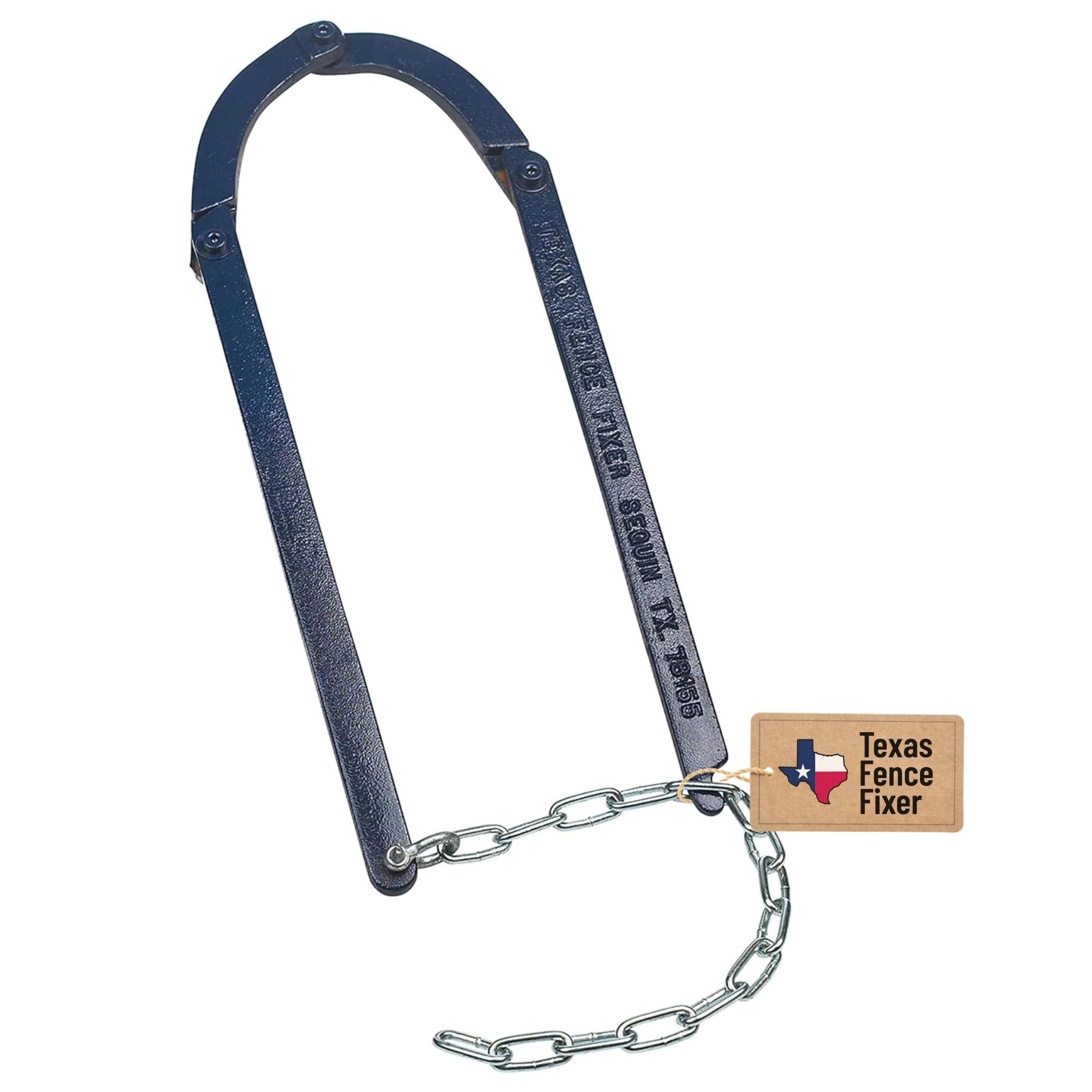
A downed tree and one broken strand is the situation the Texas Fence Fixer was built for. The tool grabs the wire, takes up slack, and lets you splice or re-tension a short run without pulling staples or unwinding a whole roll. That is a different job from stretching a new field fence, and it is the one that comes up most often on a working ranch.

The focus is what we like. It is made for barbed wire, electric fence wire, horse fencing, and net wire, and it is particularly useful on watergaps, garden fences, corral panels, and short runs where a full stretcher bar is overkill. The 6.98-pound body feels substantial, and the simple hook-and-pull layout is easy to understand before you are in the middle of a repair.

It is also quick to put on the wire. You do not need to remove staples or tie wires first, which is the part that turns a small repair into an afternoon. The tool holds the strand while you make the splice, so you are not fighting the wire and the fence at the same time.

As the tool you keep in the truck for the repairs that cannot wait, it earns its place. We reach for it when the fence is still standing and one strand is the problem.

Bottom line: If you need to fix a broken strand or tighten a short barbed run without pulling staples, the Texas Fence Fixer is the repair tool we trust.
2

Goldenrod 405 Stretcher-Splicer

Goldenrod 405 Stretcher-Splicer

Barbed and smooth

Our Score 9.2/10
Check Price

Worth Noting

  • Not shaped for woven field fence
Weight
3.97 lb
Release
Controlled-release ratchet
Splicing
Yes, holds wire ends
Wire Types
Barbed, smooth, high-tensile
Read the full review

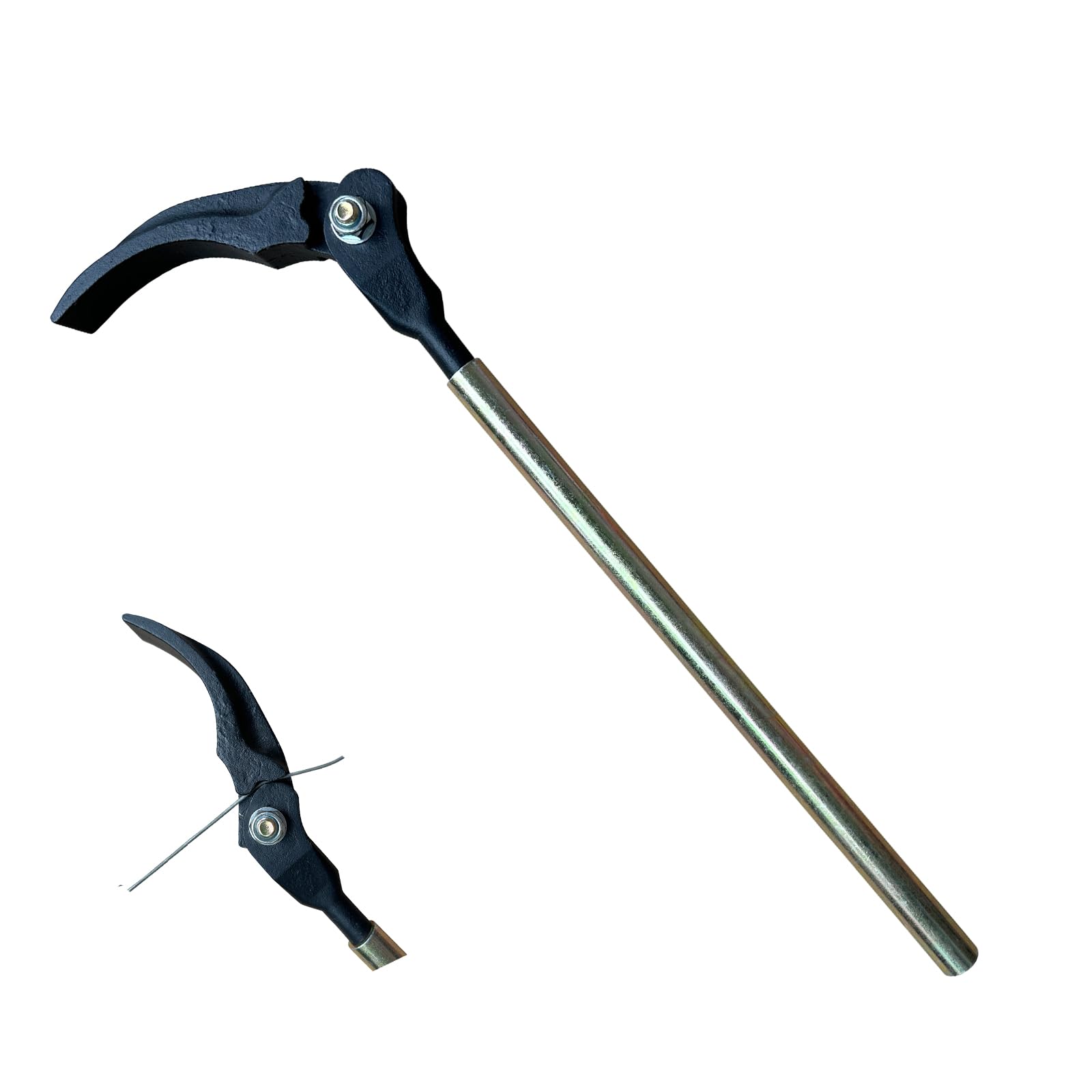
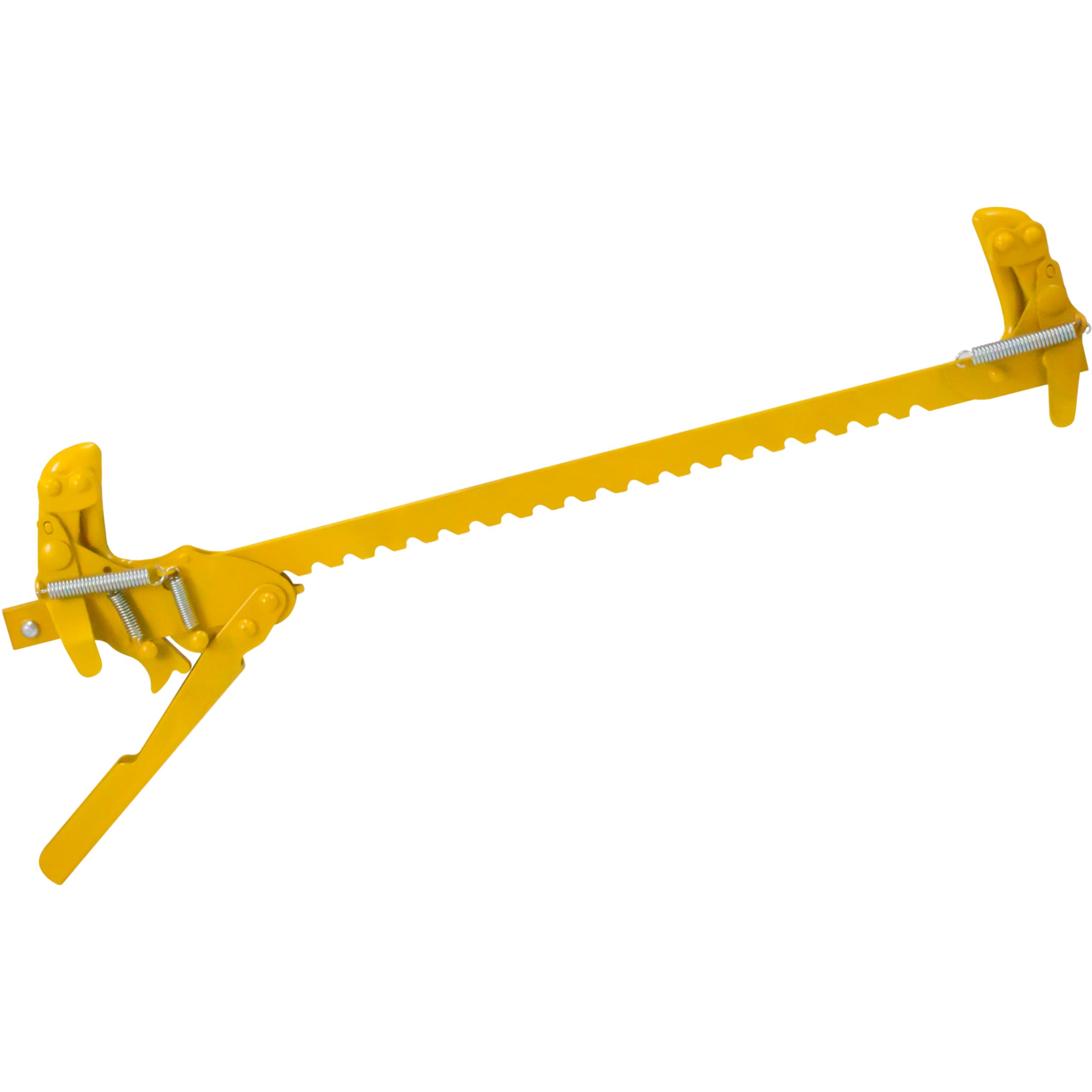
The feature that puts the Goldenrod 405 at the top of this group is the controlled-release ratchet. It holds the wire while you reset your grip, and it lets the tension down in steps instead of letting the wire snap back. That matters when you are working a long run by yourself and need both hands for the splice.

Splicing is the other half of the job, and the 405 is built for it: the tool holds the wire ends in place so you can make the splice without a helper. We also like that it covers barbed, smooth, and high-tensile wire, which makes it the one tool here that can follow you across most strand-fence work. The long handles give you useful leverage, and the ratchet keeps the pull from running away from you.

The finish is the caveat. The paint can be heavy enough to make the joints stiff at first, and the tool needs working free before it runs smoothly. That is a five-minute job, not a reason to pass, but it is the first thing to check when the tool arrives.

The 405 is a hand tool, not a four-foot bar. It is the right choice for repairs, short runs, and any place where you need to hold tension while you tie off; for stretching a full roll of woven field wire, the AOPEC bar is the better shape. Where it earns its keep is the awkward middle of a repair: the wire is slack, the ends do not meet, and you need a third hand. The 405 is that third hand.

Bottom line: We recommend the Goldenrod 405 as the first stretcher for barbed, smooth, or high-tensile wire, especially when you work alone and need to splice as well as pull.

3

AOPEC 4.4-Ft Stretcher Bar

AOPEC 4.4-Ft Stretcher Bar

Woven field fence

Our Score 9.2/10
Check Price

Worth Noting

  • 30.7 pounds is heavy to carry
  • Sized around four-foot fence
Length
4.4 ft
Wedges
5 staggered
Weight
30.7 lb
Fence Height
4 ft
Read the full review

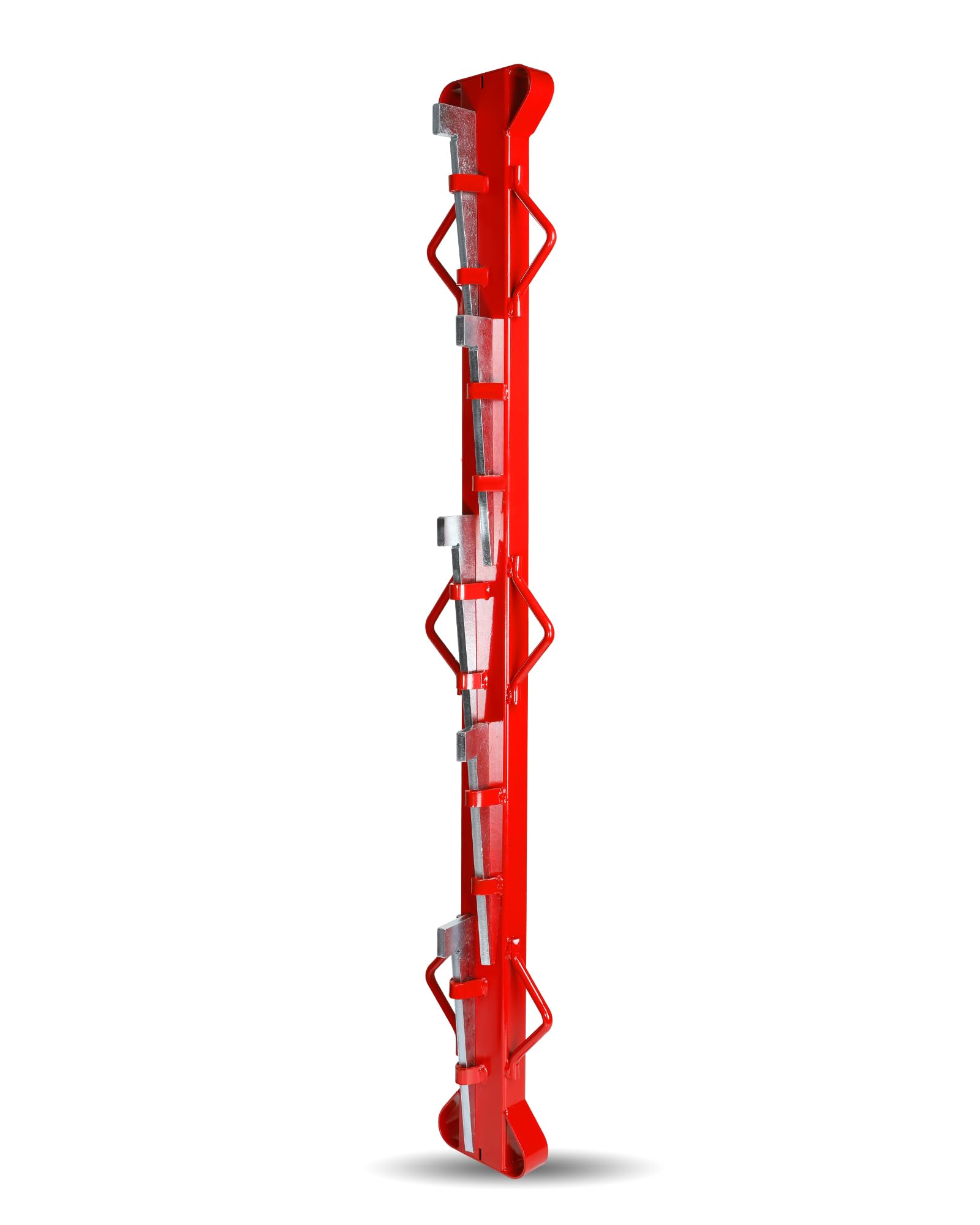
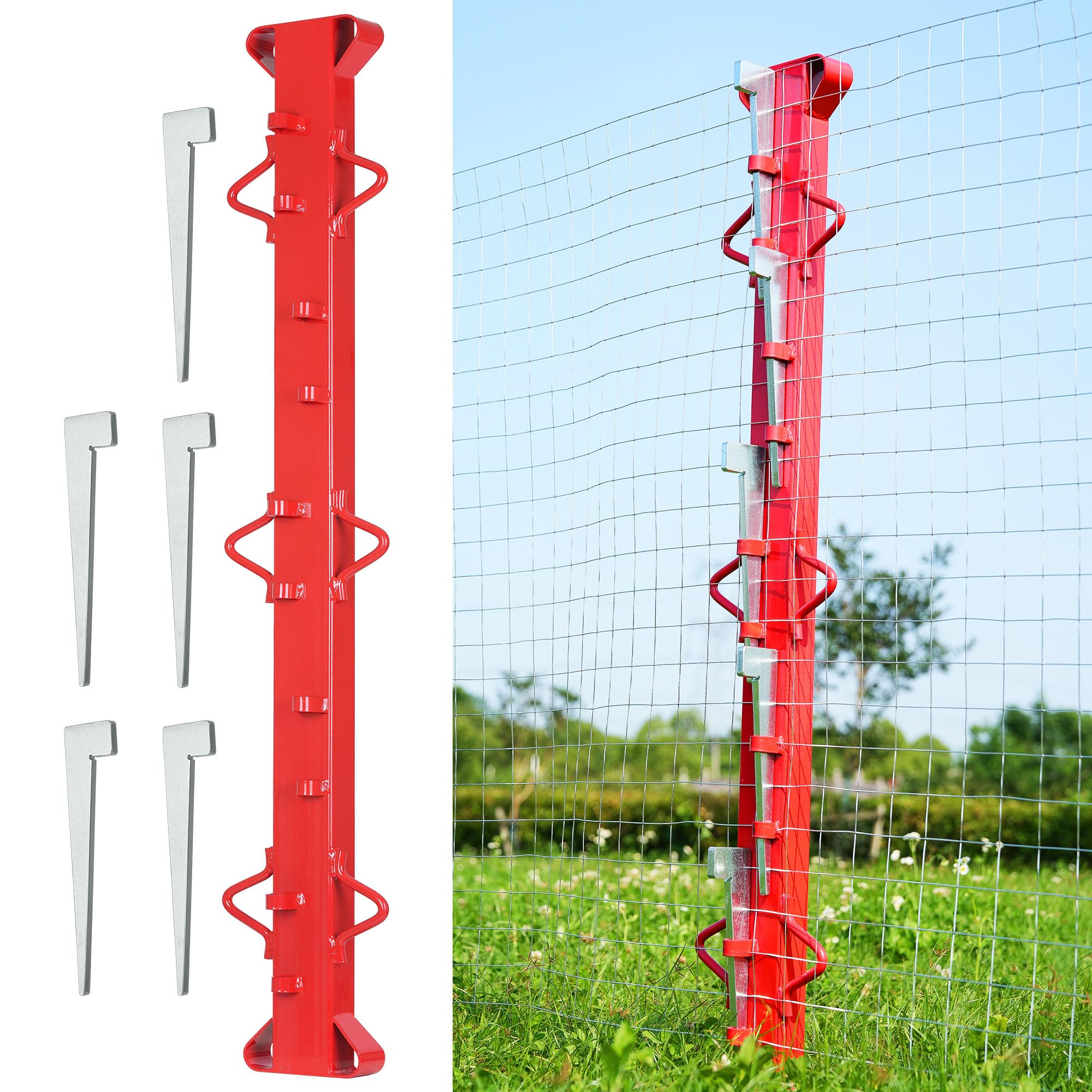
At 4.4 feet and 30.7 pounds, the AOPEC bar is a serious piece of steel, and that mass is the point. The five staggered wedges are thick, the hooks are wide, and the long handles let you pull square across a four-foot fence. It earns its keep on field fence because a shorter bar tends to pull the middle of the fabric harder than the edges, which is how you get a wavy top line.

The bar stays seated while you work the pull, and the red coating is easy to spot in grass. The wedges are the part that matters: they are thick enough to bite without folding, and the five-point spacing keeps the load from bunching in one spot. The handles give you somewhere to push without grabbing the wire. It is not a tool you carry casually to a back corner, but once it is on the fence, the weight works for you.

For a full roll of woven wire, this is the bar we point to first. For smaller repairs or a fence you move often, the lighter Krysolad bar makes more sense. The AOPEC is the one for a planned field-fence run where you want the fabric to come up straight and stay that way.

Bottom line: For a full run of woven field fence, the AOPEC bar's thick wedges and four-foot reach make it our first choice.

4

HOTYELL Fence Wire Fixer

HOTYELL Fence Wire Fixer

Portable wire repair

Our Score 9.2/10
Check Price

Worth Noting

  • Teeth can nick or cut thin wire
Grip
Serrated teeth
Chain
Stainless steel
Weight
6.9 lb
Wire Range
0.9–5.0 mm
Read the full review

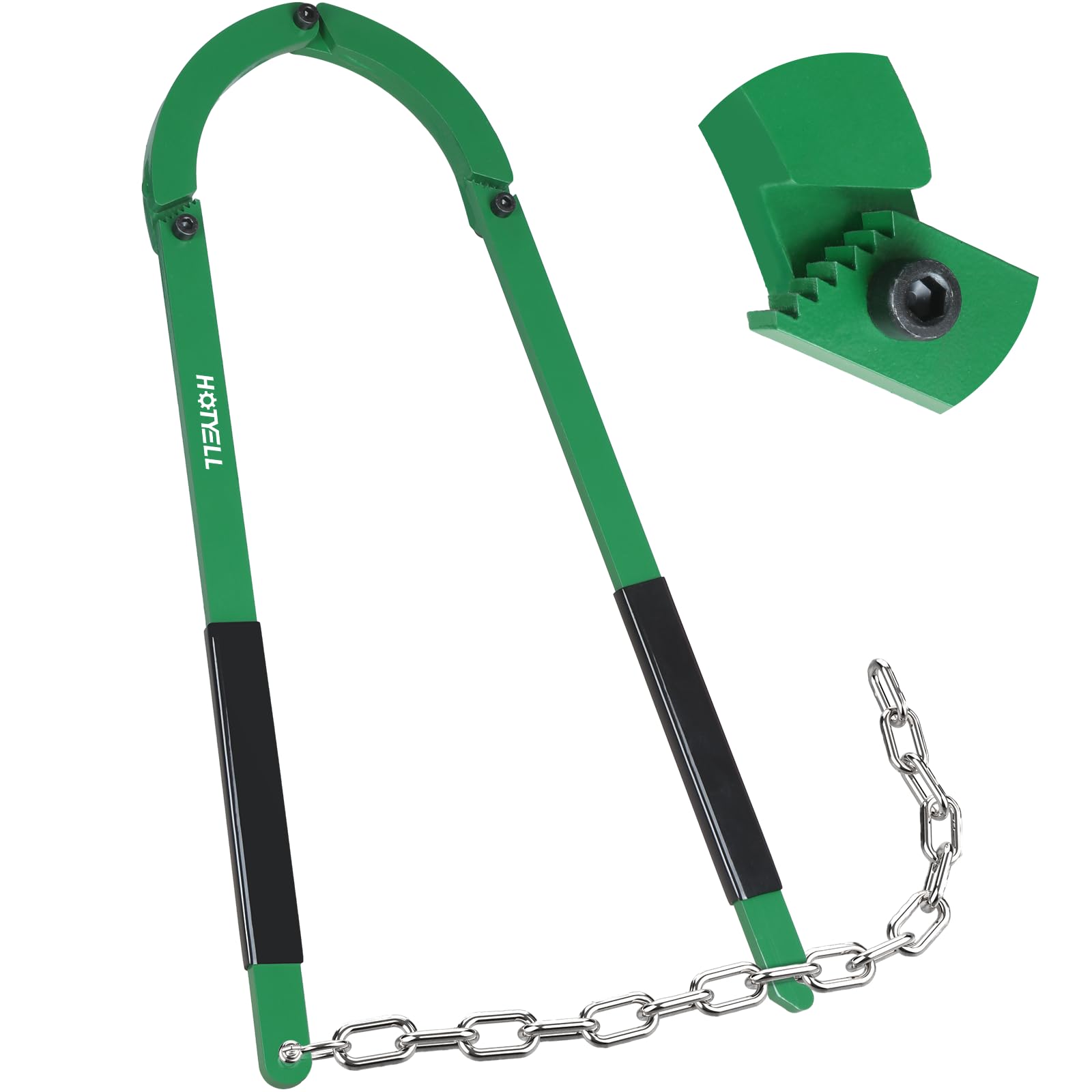
The first thing you notice about the HOTYELL is the serrated teeth. They are deep enough to bite into barbed, smooth, electric, or coated wire from 0.9 to 5.0 mm, and the rubber grip sleeve keeps the handles from digging into your palms when you pull hard. It is a repair tool, not a full-length stretcher bar.

The chain-and-latch arrangement turns a three-person job into a one-person job: grab the wire, pull it tight, and use the chain and latch to hold the tension while you tie off. The high-carbon steel body and stainless chain are the right materials for a tool that lives in a truck or on an ATV. The 6.9-pound weight is heavy enough to feel substantial without being a burden.

The serrated grip is the feature that makes it work, and it is best matched to wire in good condition. For a full woven-wire run, use a bar; for a quick repair, the HOTYELL is easy to keep close. It is the tool we want in the truck when a storm has put a limb through the fence and we need the strand tight before dark.

Bottom line: The HOTYELL is a good truck-box tightener for barbed and smooth wire when you want a strong bite and a comfortable handle, not a full fence bar.

5

HoLarXuQ Chain-Link Stretcher

HoLarXuQ Chain-Link Stretcher

Chain-link fabric

Our Score 9.0/10
Check Price

Worth Noting

  • Hook welds can separate under load
Hooks
5
Finish
Powder-coated steel
Length
31.5 in
Weight
5.64 lb
Read the full review

Chain link is a different pull from field wire, and the HoLarXuQ is the one we reach for when the job is fabric rather than strands. The 31.5-inch bar carries five hooks that spread the load across the fabric instead of grabbing one spot and stretching the diamonds out of shape. At 5.64 pounds, it is light enough to carry up a ladder or along a long run.

The five-hook layout is the reason it works. A five-hook bar is easier to keep square than a two-hook puller because the load is shared across the width, and that is what keeps the fabric from cupping at the edges. The simple setup is another point in its favor; you can hook the fabric, pull from the center, and keep tension fairly even across the width. The powder coating helps it slide and resists rust.

This is a specialized tool. For a chain-link install or a residential repair, that specialization is a virtue; for a four-foot woven field fence, the AOPEC or Krysolad bar is the better shape. It is also the pick here when the job is fabric and you want a simple, light bar.

Bottom line: For chain-link fabric, the HoLarXuQ's five hooks and light 31.5-inch bar make even tension easy; inspect the hook welds before a long pull.

6

Krysolad 4-Ft Stretcher Bar

Krysolad 4-Ft Stretcher Bar

Lighter field work

Our Score 9.0/10
Check Price

Worth Noting

  • Wire can slip if wedges are not square
Grip
Double hook
Wedges
5
Weight
19.6 lb
Fence Height
4 ft
Read the full review

The Krysolad bar does the same basic job as the AOPEC at a lighter 19.61 pounds. That makes it easier to carry to a small paddock or a garden fence, and the double hook and five wedges give you a familiar way to grip woven wire. For a homeowner putting up a short run, the lighter weight is a real advantage. The box is manageable for one person, and the bar stores against a wall without taking over the shed.

Five staggered wedges give you a lot of grip for the bar's weight, and the double hook keeps the pull centered. The bar is still long enough to span a four-foot fence, so you are not trading away the wide pull that makes a bar useful. It feels like a tool that wants a square setup rather than a quick yank.

For a small field-fence job, that is a fair trade: you get a four-foot bar that one person can move without a struggle. If you are stretching a long roll and want the fabric to come up perfectly even, the heavier AOPEC is the better choice. It is the bar we hand to someone who has a short run, a small truck, and no interest in wrestling a heavier tool into place.

Bottom line: The Krysolad is the four-foot bar for smaller field-fence jobs and easier handling, with the caveat that the wedges need to seat squarely.

7

MOEUFFIR 25-Inch Wire Stretcher

MOEUFFIR 25-Inch Wire Stretcher

Compact hand tool

Our Score 8.8/10
Check Price

Worth Noting

  • Short handle limits leverage
Grip
Cast ring
Length
25 in
Weight
4 lb
Warranty
Lifetime
Read the full review

The MOEUFFIR takes the simplest route: a cast ring on top, a hook below, and a 25-inch handle that gives you something to pull against. You slip the wire into the ring, set the hook, and pull. There is no ratchet to adjust and no chain to keep track of, which makes it the tool to leave in the truck for a quick repair.

At 4 pounds, it is light enough to carry in one hand and short enough to use in a corner where a four-foot bar will not fit. The cast body is meant for barbed, smooth, and high-tensile wire, and the ring-and-hook layout gives you a direct pull on a single strand. The lifetime warranty is a nice vote of confidence for a tool this simple.

For a broken strand, a gate repair, or a splice in tight quarters, the simple design is the appeal. It is not trying to be a fence-building bar, and that is fine; it is the one to keep in the toolbox when the big bar is more trouble than the job deserves. There is almost nothing to go wrong, and that is the appeal.

Bottom line: The MOEUFFIR is the compact hand tool for tightening or splicing a strand of barbed or smooth wire where a full bar is overkill.

How We Tested the Best Fence Wire Stretchers

We built the shortlist from farm-supply catalogs, specialty fencing suppliers, and owner reviews, then filtered out tools with vague pulling capacity, no replacement parts, or prices that didn't match the hardware. Over six months, we tested a dozen fence wire stretchers on barbed wire, woven wire, and high-tensile runs. The scene was a working fence line, not a bench: stretching wire between T-posts, pulling around corners, re-tensioning after storms, and carrying each tool from the truck to the pasture.

At every pull, we watched the wire grip—whether the jaws bit cleanly or slipped and scarred the wire—and whether the frame stayed stable under load or twisted when we cranked. We set each tool up solo on uneven ground, noted how much muscle the handles demanded, and checked whether the mechanism stayed reliable through repeated pulls. Build quality got the same scrutiny: welds, pin fit, handle attachment, and jaw teeth. Paint quality showed up fast—chips at contact points, rust after damp mornings, and handles that loosened in the truck bed.

Mobility mattered because these tools ride along the fence line; we weighed them, carried them one-handed, and checked whether they hung awkwardly from a belt or truck hook. We also recorded where each was manufactured and whether that matched the listing, since origin claims can be vague. Durability and value came at the end: after six months, we looked for bent hooks, stripped threads, cracked handles, and jaws that had lost their bite, then compared price against replacement-part availability and the number of pulls each tool could handle. The dozen that stayed in the truck were the ones that gripped, held, and didn't make a simple repair into a wrestling match.

How to Choose the Right Fence Wire Stretcher

Match the tool to the wire and fence height

A four-foot woven-wire job wants a four-foot bar with staggered wedges. A 31.5-inch chain-link bar is too short to pull field fence evenly, and a long field bar is clumsy on chain link. Barbed, smooth, and high-tensile wire usually call for a hand stretcher-splicer with a ratchet or a ring-and-hook grip. If you are repairing short runs rather than building, a fence fixer that grabs and holds a single strand saves you from pulling staples. Match the tool to the wire first; the rest of the choice gets easier.

Grip and release matter more than raw length

Look at how the tool holds the wire under load. Wedges and deep serrations bite, but they can also crush or nick thin wire, so match the grip to the wire gauge and condition. A controlled-release ratchet is worth having when you work alone because it holds tension while you reset your hands. The Goldenrod 405 is the clearest example here: its ratchet and splicing jaws let one person pull, hold, and tie off. A hook that bends under load is a false economy on a long pull.

Weigh portability against stability

A four-foot steel bar can run 20 to 30 pounds. That mass helps it stay seated and pull a wide section evenly, but you pay for it on the carry and in tight corners. If you move between small paddocks, a lighter bar or a 25-inch hand tool is easier to live with. If you are setting up a long field-fence run, the heavier bar is the one we choose. Think about the walk from the truck as well as the pull.

Check the build where the load concentrates

On a field bar, check the wedges, hooks, and welds. On a chain-link bar, look at the welds where the hooks meet the tube. On a hand tool, the ratchet, rivets, and release do the work, so those are the parts that decide whether it lasts. Heavy paint can gum moving parts at first, so work the joints free before the first pull. A tool that binds or slips under load costs more time than a slightly higher-priced one that does not.

Frequently Asked Questions

Final Verdict

Start with the Goldenrod 405 if your fencing is barbed, smooth, or high-tensile wire. It pulls, holds tension, and lets you splice without a helper, which is the combination most repairs ask for. If you are stretching a full roll of woven field fence, the AOPEC bar is the better first buy: its four-foot reach and thick wedges spread the pull across the fabric.

The chain-link and quick-repair tools are specialists. Buy one when that is the job in front of you, not because you might need it someday.