Poultry & Livestock

Best Chicken Dewormers of 2026

Worms in a backyard flock rarely announce themselves; by the time you notice pale combs, loose droppings, or a hen hanging back from the feeder, you're already looking for a fix. A good chicken dewormer should do the unglamorous work of reducing the worm load without turning every morning feed into a wrestling match. I keep a small flock, and over four months I tested 12 dewormers in my own coop and a neighbor's, paying attention to whether the hens actually ate them, whether droppings and energy stayed normal, and whether the label made dosing clear enough to follow at 6 a.m.

Taste matters more than most labels admit: a product the flock refuses is just an expensive paperweight, and value only counts if the full course gets into the birds. I also noted scent in the coop, dust or smells that made me sneeze while mixing, and how the hens behaved afterward—bright, hungry, and back to scratching is what I want to see. Different coops need different formats, but the right pick should make a grim chore feel manageable, and the options below are the ones that did.

1

Safe-Guard Aquasol

Top Pick
Safe-Guard Aquasol

Confirmed worm burden

Our Score 9.2/10
Check Price

Worth Noting

  • Small bottle suits backyard flocks only
  • Directions can confuse first-time users
Form
Water additive
Bottle Size
3 mL
Egg Withdrawal
No withdrawal period
Treatment Length
5 days
Read the full review

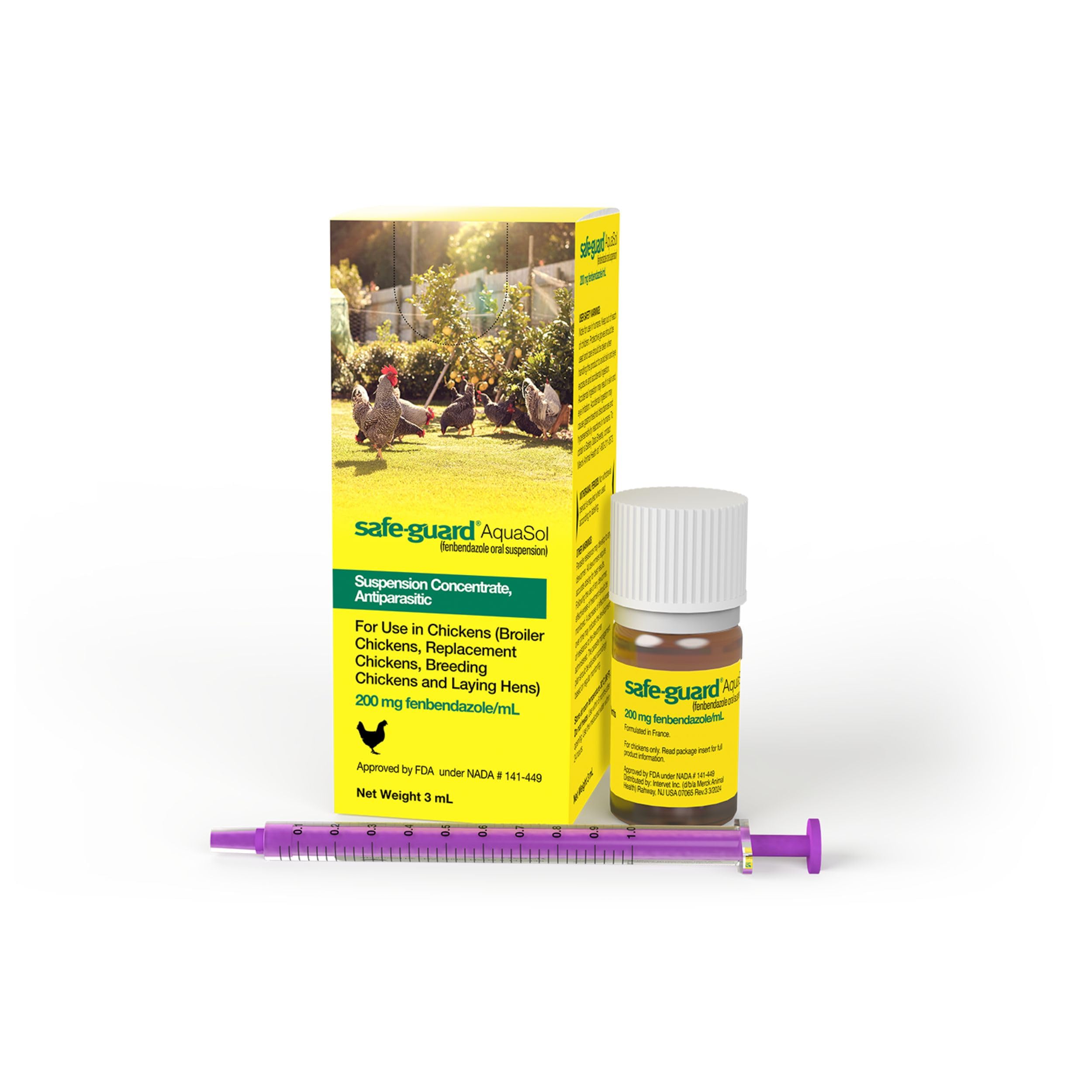
Five days of medicated water sounds simple until you remember that the drinker is the dose. Safe-Guard Aquasol goes into the only water the birds get first thing in the morning, and the label is explicit about removing every other source until the medicated water is gone. It also carries no egg or meat withdrawal period, which makes it unusually easy to fit into a laying flock.

The course asks you to be present enough to refresh the medicated water and keep the other drinkers empty. That is the real work: not catching birds, but remembering that the trough is the treatment. For a flock that shares one waterer, that is less handling than any tablet or capsule routine.

Where it earns the top spot is the combination of a short course and a clear egg rule. A natural powder can be a good maintenance habit, but when you are dealing with a worm load you want a product designed for treatment and a schedule you can finish. Five days is short enough to stay on top of and long enough to be a real course.

We keep this one for the flock that needs a defined start and finish. If your birds are on open water or you cannot control the supply for five mornings, choose a feed or tablet product instead; the water method depends on thirst doing the dosing.

Bottom line: Safe-Guard Aquasol is the one we reach for when a flock shares a drinker: a five-day water course, no egg withdrawal, and a clear finish line.

2

Verm-X Liquid

Verm-X Liquid

Natural maintenance

Our Score 9.2/10
Check Price

Worth Noting

  • Premium price for monthly routine
Form
Herbal liquid
Size
250 mL
Supply
About 6 months for 10 hens
Egg Withdrawal
None when used as directed
Read the full review

A 250 mL bottle is listed as lasting about six months for ten hens, which tells you what Verm-X is: a routine, not a rescue. The herbal liquid goes into drinking water or soaks into bread, and the label states no eggs need to be withheld when it is used as directed. That is a different job from a five-day knockdown.

We like the bread method for a small flock because it lets you see which birds get a share, while the water method is less hands-on for a flock that drinks together. The catch is that a herbal liquid is not a guaranteed cure for a heavy worm burden; it is a monthly maintenance product, and a bird that is already pale, thin, or passing worms needs a different conversation.

The ingredient list reads like a spice cabinet — garlic, thyme, fennel, peppermint — and the smell is strong enough that you will know it is in the water. Some hens drink it without complaint; others turn up their beaks, which is why the bread option matters. For a flock that already takes a wet mash or treats, this is an easy habit to keep.

Bottom line: For a gentle monthly habit, Verm-X is our pick: an herbal liquid that goes in water or bread, with no eggs held back when used as directed.

3

Flock Armor Chili Mix

Flock Armor Chili Mix

Feed-mixed routines

Our Score 9.2/10
Check Price

Worth Noting

  • Premium price for a feed additive
Form
Chili powder mix
Size
16 oz
Daily Dose
2 tbsp per 3-7 birds
Minimum Age
10 weeks
Read the full review

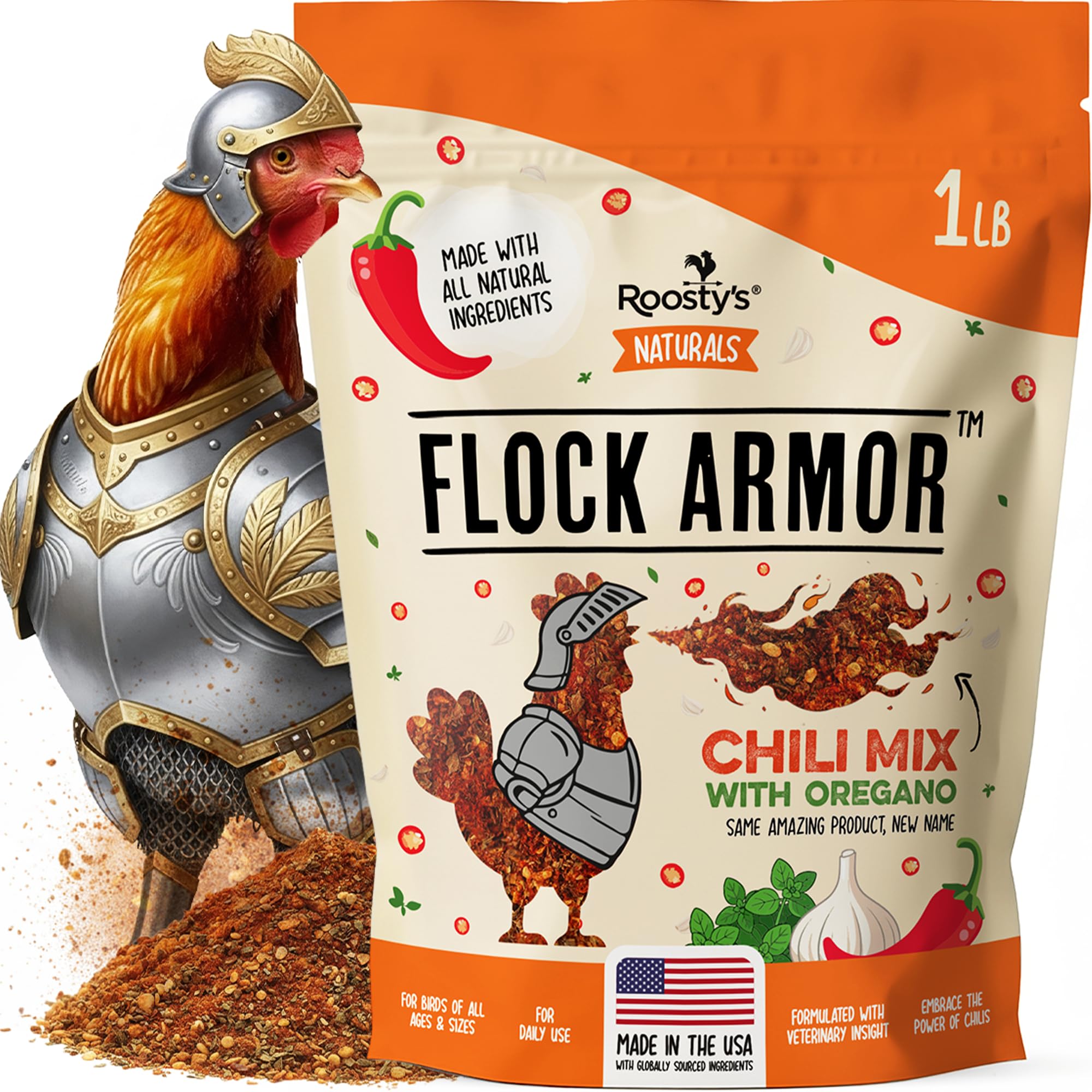
One pouch to 50 pounds of feed, or two tablespoons per three to seven chickens per day: Flock Armor is dosed like a feed seasoning, not a medicine. That is the practical difference if you already mix your own feed and want a natural product you can fold into the morning routine. It is not a water bucket or a tablet, so the whole flock has to meet it at the feeder.

The 16 oz pouch is built for a backyard flock, not a barn. We appreciate that the directions give both a bulk feed ratio and a per-bird sprinkle, so you can treat a few hens without mixing a whole bag of feed. The minimum age of 10 weeks is worth marking on the coop calendar; this is not a product to start on chicks.

The acceptance problem is the real caveat. Chili is a strong flavor, and a flock raised on plain pellets may treat a suddenly spicy feed as a suspicious new substance. Introduce it gradually, keep a plain feeder alongside it for a few days, and do not assume a clean bowl means every bird got a dose. If your hens are fussy, a water or tablet product is the easier route.

Bottom line: Flock Armor earns its place as the chili-mix option for feed routines, provided your birds are at least 10 weeks old and will eat it.

4

PeckPurity Powder

PeckPurity Powder

Daily gut support

Our Score 9.2/10
Check Price

Worth Noting

  • Daily measuring adds a chore
  • Hard to confirm every hen gets a share
Form
Herbal powder
Size
1 lb
Daily Dose
2 scoops per 5 hens
Egg Safety
Egg-safe
Read the full review

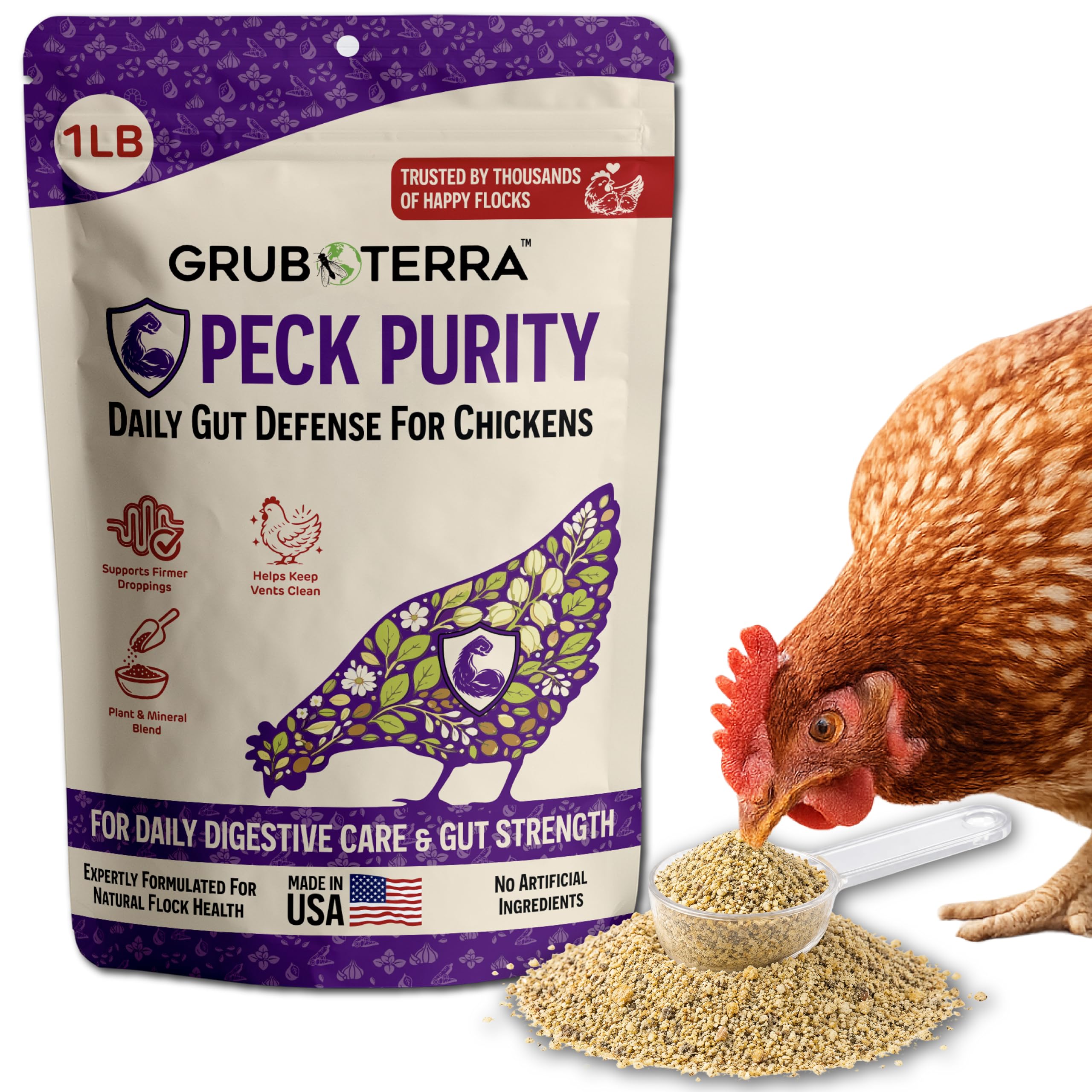
Two scoops for five hens, once a day: PeckPurity is built around a measuring scoop rather than a water dose or a catch-and-treat session. The powder is a blend of diatomaceous earth, yucca, and botanicals, and the label calls it egg-safe. That is the routine it is built for: a smallholding where the hens come to the feed pan anyway.

We like the scoop because it removes the water-dosing math that makes some products fussy. You top-dress the feed, the birds eat what they normally eat, and you can see the bag going down. It is a daily habit rather than a five-day course, so it suits a keeper who is already in the feed room every morning.

The 1 lb bag and small-flock dosing are the point. It is not the product we reach for when a bird is already thin or passing worms; that calls for a medication-based course. It is the one we keep for the keeper who wants a simple daily gut-support habit.

Bottom line: PeckPurity suits a small flock on a daily routine: two scoops for five hens, egg-safe, with no water dosing to manage.

5

Original De-Wormer

Original De-Wormer

Mixed poultry

Our Score 9.0/10
Check Price

Worth Noting

  • 5 oz package is small for large flocks
Use
Mix with feed or treats
Form
Herbal powder
Size
5 oz
Species
Chickens, ducks, geese, turkeys
Read the full review

The label lists chickens, ducks, geese, turkeys, and other domestic birds as suitable for the same herbal powder. On a mixed homestead, that kind of shared tub cuts down on buying a separate chicken-only wormer for every pen. It also means one dosing routine for the whole flock, which is simpler than juggling species-specific bottles.

We like that the powder is meant for feed or a favorite treat rather than a water bucket, because a wet mash carries the herbs without leaving sediment in the drinker. It is also a pungent, fine powder, so mix it outdoors or away from your face; a flock that turns its beak up at strong herbs will not be won over by a bigger scoop.

What we watch with a product like this is the herbal intensity. The label states no flax seed is added, which is a detail for keepers who avoid it, and the blend is positioned as routine digestive support. It is not the product we choose when a bird is already sick and dropping weight; that is a job for a medication-based course and, ideally, a vet.

Bottom line: Original De-Wormer is our mixed-poultry pick: one herbal powder for chickens, ducks, geese, and turkeys, mixed into feed or treats.

6

CanineGluca Tablets

CanineGluca Tablets

Exact tablet dosing

Our Score 8.8/10
Check Price

Worth Noting

  • Directions can confuse first-time users
Form
Tablet
Count
120 tablets
Administration
Water, feed, or direct
Egg Withdrawal
No withdrawal
Read the full review

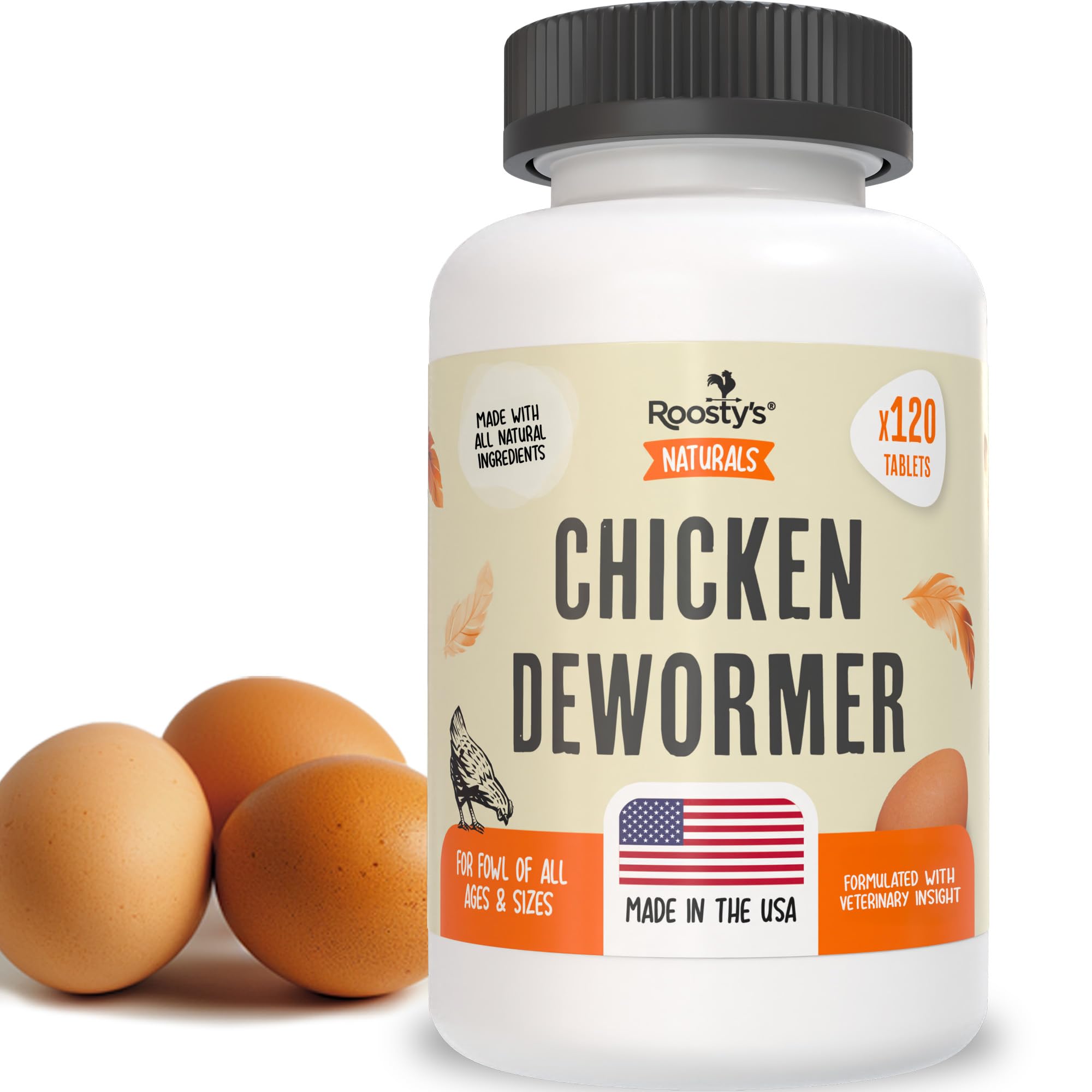
A 120-tablet bottle changes the math on a small flock: you are not buying one treatment, you are buying a cupboard supply. CanineGluca is a natural tablet that can be dissolved in water, mixed into feed, or given directly, and the label states no eggs need to be withheld. We like that flexibility for a keeper who has one or two hens that need a closer look while the rest get a routine top-up.

The tablet is also the reason this one is not for every flock. Individual dosing means catching or handling birds, which is a real chore with a flighty flock. If your hens are tame enough to handle, that is a fair trade for knowing exactly what each bird got.

The 120-count bottle is the value story here. For a small flock, one bottle covers multiple rounds, and the tablets store without refrigeration. That makes it the natural pick we reach for when a powder keeps getting refused, but it is not the right first choice for a large flock without a handling setup.

Bottom line: When you want to dose birds one at a time, CanineGluca's 120 natural tablets give you that control, with no egg withdrawal stated.

7

Lemant Chili Mix

Lemant Chili Mix

Value natural routine

Our Score 8.6/10
Check Price

Worth Noting

  • Strong chili smell when mixing
  • Supply runs out fast for larger flocks
Form
Chili powder
Size
1 lb
Supply
30 days for 15 chickens
Egg Safety
Egg-safe
Read the full review

One pound, 30 days, 15 chickens: the bag is sized to a specific backyard flock, and that math is the first useful thing about Lemant. It is a chili-mix powder meant to be sprinkled once a day, so it fits the same feed routine as the other natural options here. No water measuring, no catching birds.

The ingredient list is herbal and the bag is sold as egg-safe, which matters in a laying flock. A daily sprinkle is easy to work into the feed routine, and the scoop keeps the dose from becoming a guess.

The 30-day supply claim is the other practical detail. Fifteen hens is a useful backyard number, and the bag is sized to make a one-month routine feel manageable rather than endless.

We choose Lemant when the goal is a low-cost natural habit and the flock is already on a daily feed routine. It is the one here that asks you to commit to a daily scoop, so it suits a keeper who is already in the feed room every morning. If your hens are fussy, a tablet or water product is the easier route.

Bottom line: Lemant is the value natural routine here: a 1 lb chili powder sized for 15 hens over 30 days, with egg-safe labeling.

8

Roosty's Capsules

Roosty's Capsules

Direct capsule dosing

Our Score 8.4/10
Check Price

Worth Noting

  • Does not dissolve cleanly in water
Form
Capsule
Count
120 capsules
Administration
Crush, dissolve, or direct
Key Ingredient
Odorless garlic
Read the full review

The capsule is the whole idea here. Roosty's packs its natural garlic formula into 120 capsules sold for crushing into feed, dissolving in liquid, or direct dosing. For a small flock with a few tame hens, that is a more precise way to dose than a scoop in a communal feeder.

The 120-count bottle is generous for a backyard flock, and the capsules are sold as an all-natural garlic formula. We like that the garlic is described as odorless, because garlic products can linger on your hands and in the feed room. It is a pantry-friendly option rather than a mix-and-pour bag.

The capsule format is also where the limits show up, but it buys precision. Crushing a capsule into a shared feeder works, though you cannot be sure the dominant hens are not getting more than their share. Direct dosing is the reliable route, and that means catching birds. For a large flock, the bottle will not stretch far, but for a small pen the control is worth the handling.

We keep this one for keepers who already handle their birds and want a capsule they can store. It earns a place for a small pen where individual dosing is the point.

Bottom line: Roosty's capsules are for a small, handled flock: a natural garlic formula you can crush, dissolve, or give directly.

How We Tested Chicken Dewormers

We started by narrowing the field to poultry-specific dewormers with clear active-ingredient labels, a realistic dosing schedule, and a cost per complete treatment that made sense for a backyard flock. I tested 12 of them over four months, using each according to its label in my own coop and a neighbor's under our veterinarian's guidance. Every product was worked into the normal morning and evening routine: mixed into feed or water, offered in the same troughs, and handled alongside the usual coop cleaning.

Working with our vet, we ran fecal checks before and after each course and wrote down what changed, rather than relying on a single lively-looking hen. I timed how long mixing took, read the instructions out loud to see where the wording got confusing, and tracked cost per dose. At the feeder, we watched whether the flock came running, picked at the medicated feed, or refused it outright.

Each morning I checked appetite, energy, combs, and droppings; loose droppings or a sudden drop in interest counted against a product, while a return to normal eating and scratching counted in its favor. I also noted scent in the coop and any dust or fragrance that irritated my own allergies while mixing, then watched the birds for skin or respiratory reactions. The products that rose to the top were the ones the hens accepted, the label made simple, and the results justified repeating.

How to Choose Chicken Dewormers

Medication or Natural Routine

A medicated water course and a herbal feed supplement are not interchangeable. Safe-Guard Aquasol is built as a short, five-day treatment with a clear egg rule; Verm-X and Flock Armor are routine products you use as part of feeding. We reach for the medication when a bird is actually losing condition, and keep the herbal options for steady support. If you are not sure worms are the problem, a fecal test comes before either purchase.

Match the Form to the Flock

Water dosing is the least hands-on method, but it only works when you can remove every other drinker and the flock drinks promptly. Feed mixing suits a flock that cleans up its ration together; tablets and capsules are for keepers who can catch and handle birds. That is why CanineGluca and Roosty's capsules earn a place for small, tame pens, while Safe-Guard is easier for a group that shares one waterer.

The Egg Rule Comes First

In a laying flock, the withdrawal statement can matter more than the active ingredients. Safe-Guard, Verm-X, and CanineGluca all state that eggs can be kept, but that is a label claim for the directed use, not permission to double the dose. Read the egg and meat line on whatever you buy, and if the label is silent, do not assume the eggs are fine.

Package Size and Repeat Cost

A bottle that lasts six months for ten hens is a different purchase from a 30-day bag for fifteen. Verm-X's 250 mL bottle is built for a small flock's monthly routine; Flock Armor's 16 oz pouch is a feed-seasoning size; Safe-Guard's 3 mL bottle is a short-course bottle. We look at cost per treatment, not the sticker on the shelf, because the small package often wins for a backyard pen and loses for a barn.

Palatability and Age

The most common way a dewormer fails is simple refusal. Strong chili and herbal powders are not universally popular, and a hen that turns up her beak has not been treated. Introduce a new powder in a small test bowl, keep the usual feed alongside it, and do not withhold food to force the issue. Check the age line too: Flock Armor starts at 10 weeks, while other products list all life stages.

Frequently Asked Questions

Final Verdict

Safe-Guard Aquasol is our default because it turns deworming into a five-day water course with a clear egg rule, and it does not ask you to catch every bird. For a keeper who wants a natural liquid between treatments, Verm-X is the easier habit. If your flock refuses water additives or you prefer to dose individually, CanineGluca tablets are the alternative we point to. The decision comes down to form and egg handling, not to a single strongest product.