Soil & Fertilizer

Best Cactus Soil of 2026

Cacti and succulents are sold as low-maintenance, but the wrong soil can undo all of that. A bag that looks gritty on the label can turn into a dense, water-holding brick in the pot, which is how you end up with yellowing leaves, mushy roots, and fungus gnats circling the windowsill. The right cactus mix lets water move through fast enough to keep roots breathing while holding just enough moisture for the plant to drink. That balance is what separates a mix your plant survives in from one it actually grows in.

I have killed my share of jade plants by being too generous with ordinary potting soil. Over the past six months, my team and I tested 14 cactus and succulent mixes side by side, repotting everything from tiny echeveria to a stubborn bunny-ear cactus. Some drained like gravel and left the plant thirsty; others stayed damp for days. What follows are the bags that got the balance right, kept the bugs away, and were worth the shelf space.

1

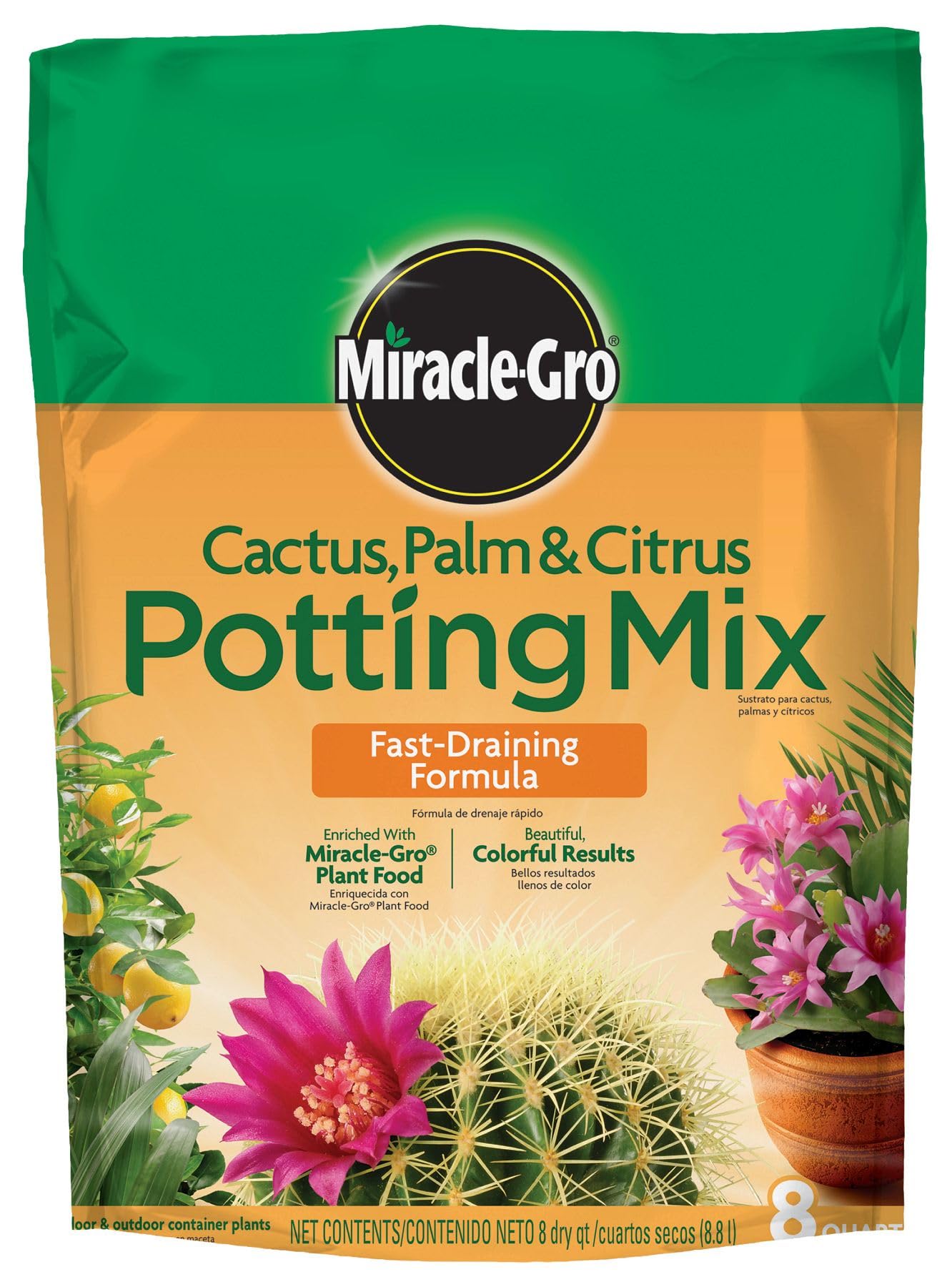
Miracle-Gro Cactus, Palm & Citrus Mix

Top Pick
Miracle-Gro Cactus, Palm & Citrus Mix

Most collections

Our Score 9.4/10
Check Price

Worth Noting

  • Not a gritty mix for rot-prone plants
Mix
Peat moss, sand, perlite
Volume
8 quarts
Drainage
Fast-draining formula
Read the full review

The blend of sand and perlite is the first thing that makes this Miracle-Gro mix feel like a sensible default for cacti and succulents. It is built to drain fast and resist compaction, and the 8-quart bag is a practical size for a windowsill collection. We reach for it when we want one bag that covers aloes, jade plants, barrel cacti, and the odd palm without buying three separate mixes.

What we appreciate most is the breadth of the plant list. Miracle-Gro sells this for cactus, palm, and citrus, and that flexibility is useful when your pots are a mix of desert plants and subtropical containers. The peat, sand, and perlite blend holds enough moisture for roots to settle after repotting, while the sand and perlite give water somewhere to go. In a pot with a drainage hole, that is a workable balance for most people.

We do not treat it as a set-and-forget mix. A glazed pot, a saucer full of water, or a cool room can undo the fast drainage, so we keep our watering on the light side for the first few weeks and make sure the pot never stands in runoff. That is not a knock on the mix; it is how cactus soil works. The bag gives you a head start, not a pass on checking the soil before you water.

The 8-quart bag disappears quickly if you are filling a large planter, and it is not the cheapest way to buy volume. For a small collection, though, the flexibility is worth more than the bag size: one mix handles the aloe, the jade, and the palm on the same shelf, and you are not left storing three half-used bags.

Bottom line: For most cactus and succulent collections, this is the bag we recommend first: fast-draining, widely suitable, and easy to work with.
2

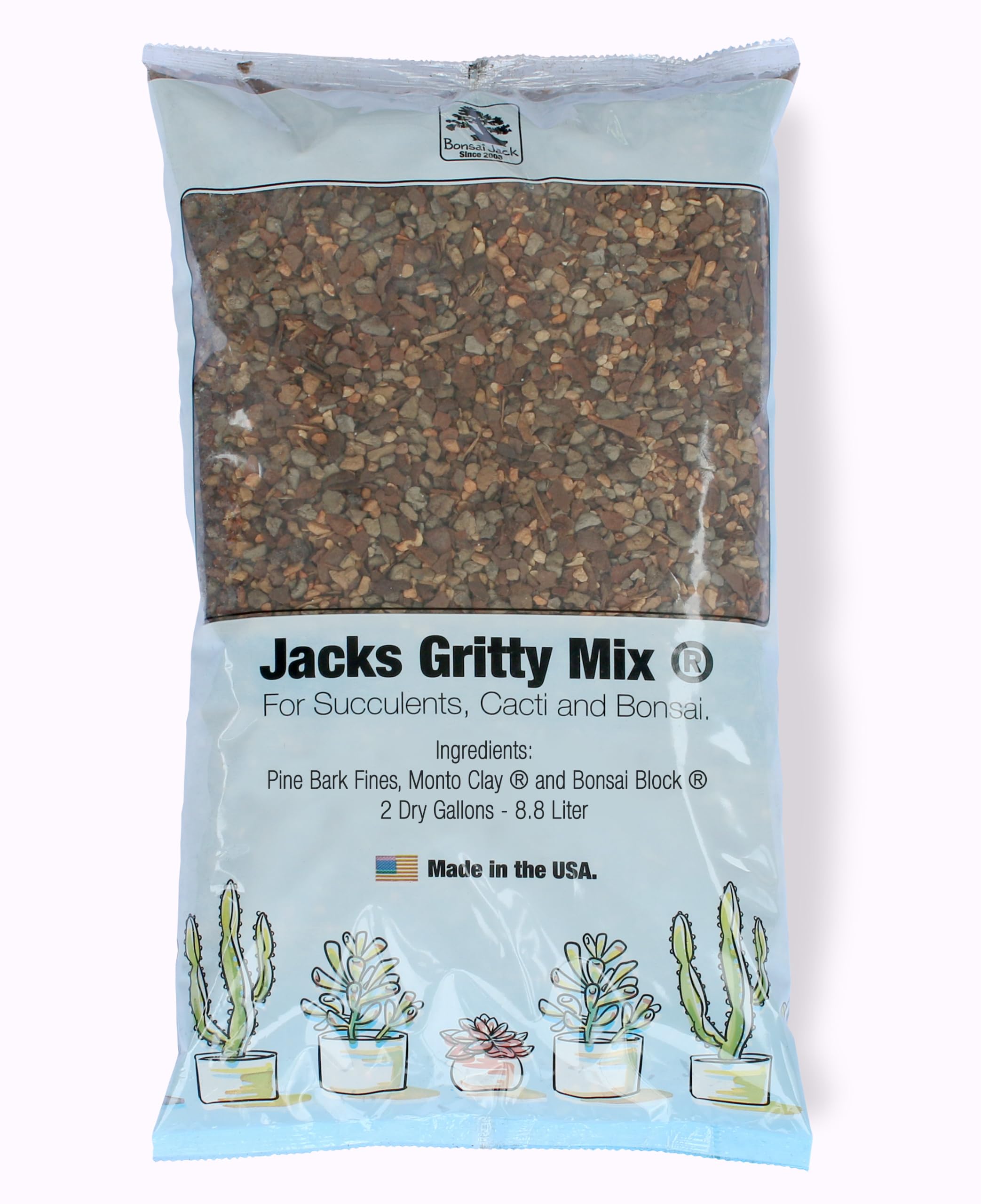
Bonsai Jack Gritty Mix

Bonsai Jack Gritty Mix

Rot-prone plants

Our Score 9.4/10
Check Price

Worth Noting

  • Premium price for 2 gallons
pH
5.5
Mix
Bonsai Block, Monto Clay, pine coir
Volume
2 gallons
Weight
16.7 lb
Read the full review

Root rot is the problem this mix is built to prevent, and it takes that job seriously. Bonsai Jack's gritty blend is made from Bonsai Block, Monto Clay, and pine coir rather than a peat-heavy base, so water moves through it instead of sitting around the roots. A 2-gallon bag does not look like much until you pick it up: at 16.7 pounds, it is dense, gravelly, and clearly a different product from a fluffy potting soil.

Where it earns its keep is with the plants that have already sulked in ordinary soil, the tight, glazed-pot succulents and the cacti that seem to rot no matter how careful you are. The mix is optimized for a pH of 5.5, which suits acid-loving plants, and the gritty texture keeps air around the roots. It is not the mix for every succulent: moisture-loving tropicals and seedlings need something that holds more water.

We choose this one when drainage matters more than volume, and we hold a smaller bag on hand rather than filling every pot with it. If one saved plant is the goal, the extra grit is the difference. It is a specialty mix, and it earns its place by doing one job exceptionally well rather than by covering every pot on the shelf.

Bottom line: This is the pick for rot-prone cacti and succulents, with the grittiest drainage and the most air around roots.

3

Perfect Plants Succulent & Cactus Soil

Perfect Plants Succulent & Cactus Soil

Small indoor collections

Our Score 9.4/10
Check Price

Worth Noting

  • Less gritty than premium cactus mixes
Mix
Peat moss, pine bark, perlite
Volume
8 quarts
Drainage
Fast-draining blend
Packaging
Resealable bag
Read the full review

The resealable 8-quart bag is a small thing that makes this Perfect Plants mix easy to live with. Open it, use what you need, zip it shut, and the rest does not turn into a dusty lump in the garage. Inside is a peat, composted pine bark, perlite, and lime blend with a loose, airy texture that is meant to hold some moisture while still draining. It feels light in the hand rather than clumped, which makes it easy to settle around roots without packing it down.

For a small indoor collection, we think that balance is the appeal. It suits aloes, jades, and other succulents that like a little more moisture between waterings, and the listed drainage is good enough that you are not starting from a soggy bag. The organic label and resealable packaging make it a pleasant choice to keep on hand, and the 8-quart size is enough for a shelf of small pots without taking over a cabinet. For a simple repot, the mix is ready to use straight from the bag; there is no second bag of perlite to open or measure.

The bag is generous for the price, and there is enough to repot several small plants before you need another. We use this one for everyday repotting rather than rescue missions: it is consistent, easy to handle, and simple to rehydrate if it dries out on the shelf.

Bottom line: An easy, organic all-rounder for small succulent collections, with a resealable bag that keeps the unused mix fresh.

4

Hoffman Organic Cactus & Succulent Mix

Hoffman Organic Cactus & Succulent Mix

Simple repotting

Our Score 9.4/10
Check Price

Worth Noting

  • Two small bags go quickly in large planters
Volume
2 x 4 quarts
Drainage
Formulated for cacti
Preparation
Ready to use
Read the full review

The cloud of dust that comes out of a fresh bag is the first thing we noticed about Hoffman's cactus mix. It is dry, fine, and light, so open it outside or add a splash of water before you start repotting. Once it is dampened, the mix is ready to use straight from the bag, which is the convenience Hoffman is selling: no perlite to measure, no bark to soak, no mixing bowl.

The formula is aimed squarely at cacti and succulents, and the texture is fine and even, so it fills small pots without big bark chunks getting in the way. We appreciate that the mix is not sold as a universal indoor potting soil; it is meant for the dry, gritty conditions these plants want, and the bags are easy to pour and store.

Drainage is the part we watch most closely. In a breathable pot with a drainage hole, the mix behaves like a conventional cactus soil; in a cool, glazed pot it can hold more water than the label suggests, so add perlite if you are a heavy waterer or keep plants in a dim room. It is a practical, no-fuss pick, not the most forgiving mix for a plant that has already rotted. For a first cactus or a row of small succulents on a sunny sill, that trade is easy to accept.

Bottom line: A ready-to-use two-bag option for straightforward cactus repotting and small collections.

5

Miracle-Gro Indoor Cactus & Succulent Mix

Miracle-Gro Indoor Cactus & Succulent Mix

Filling many pots

Our Score 9.2/10
Check Price

Worth Noting

  • Large two-bag pack can outlast a small collection
Mix
Forest products, peat, sand, perlite
Volume
2 x 8 quarts
Coverage
Five 6-inch pots per bag
Read the full review

Two 8-quart bags for a budget price is the argument this Miracle-Gro mix makes, and it is a strong one if you are filling a lot of pots. The blend of forest products, sphagnum peat, sand, and perlite is designed for fast drainage, and each bag is listed as enough for five 6-inch containers. For a patio full of small cacti or a classroom windowsill project, that is a lot of mileage from one order.

The convenience is what stands out: a mix that is ready to use and does not need a separate bag of perlite on the counter. The texture is finer than the gritty premium mixes, so it holds a little more moisture, and the plant-food charge gives new transplants a start. It is still a cactus mix, not a moisture-retentive houseplant compost, and it works best when the pot drains freely and you water thoroughly but infrequently.

The catch is fungus gnats. Bags can arrive with them, and an indoor collection is the wrong place to find out; open the bags outside, let them air, and keep sticky traps nearby for the first few weeks. We reserve this one for outdoor containers and utility repotting, not for a plant going straight into a bedroom.

Bottom line: The bulk-value pick for filling many cactus pots, with enough mix to keep a patio project going.

6

Espoma Organic Cactus Mix

Espoma Organic Cactus Mix

Organic patio pots

Our Score 9.2/10
Check Price

Worth Noting

  • Two 4-quart bags are a small amount for large pots
Mix
Peat moss, humus, perlite
Volume
2 x 4 quarts
Bag Count
2 bags
Inoculant
Myco-Tone mycorrhizae
Read the full review

The mycorrhizae are the interesting part of Espoma's organic cactus mix. Myco-Tone is a proprietary blend of endo and ecto mycorrhizae, and the mix also contains sphagnum peat moss, humus, and perlite, so it is aimed at gardeners who want a biologically active, organic blend rather than a bag of mineral grit. It is sold for cactus, succulent, palm, and citrus containers, indoors and out, and the two 4-quart bags are easy to carry and store.

We find it most useful for patio pots and for growers who already have a watering routine. The peat and humus hold moisture, which helps a palm or citrus in a large container, but it is not the fastest-draining mix in this group. The organic matter is a benefit for some plants and a liability for a cactus in a cool, glazed pot; if that is your setup, cut it with perlite before planting.

The 4-quart two-pack is a sensible size for a few patio pots, and the mycorrhizae give it a point of difference from the plain peat-and-perlite bags. We choose it when organic matter and root support matter more than maximum grit. It is a good fit for a mixed patio container where a palm, a citrus, and a few succulents share the same watering schedule. For a rot-prone cactus, Bonsai Jack is the safer choice.

Bottom line: A good organic option for patio cactus, palm, and citrus pots, with mycorrhizae and a simple two-bag format.

7

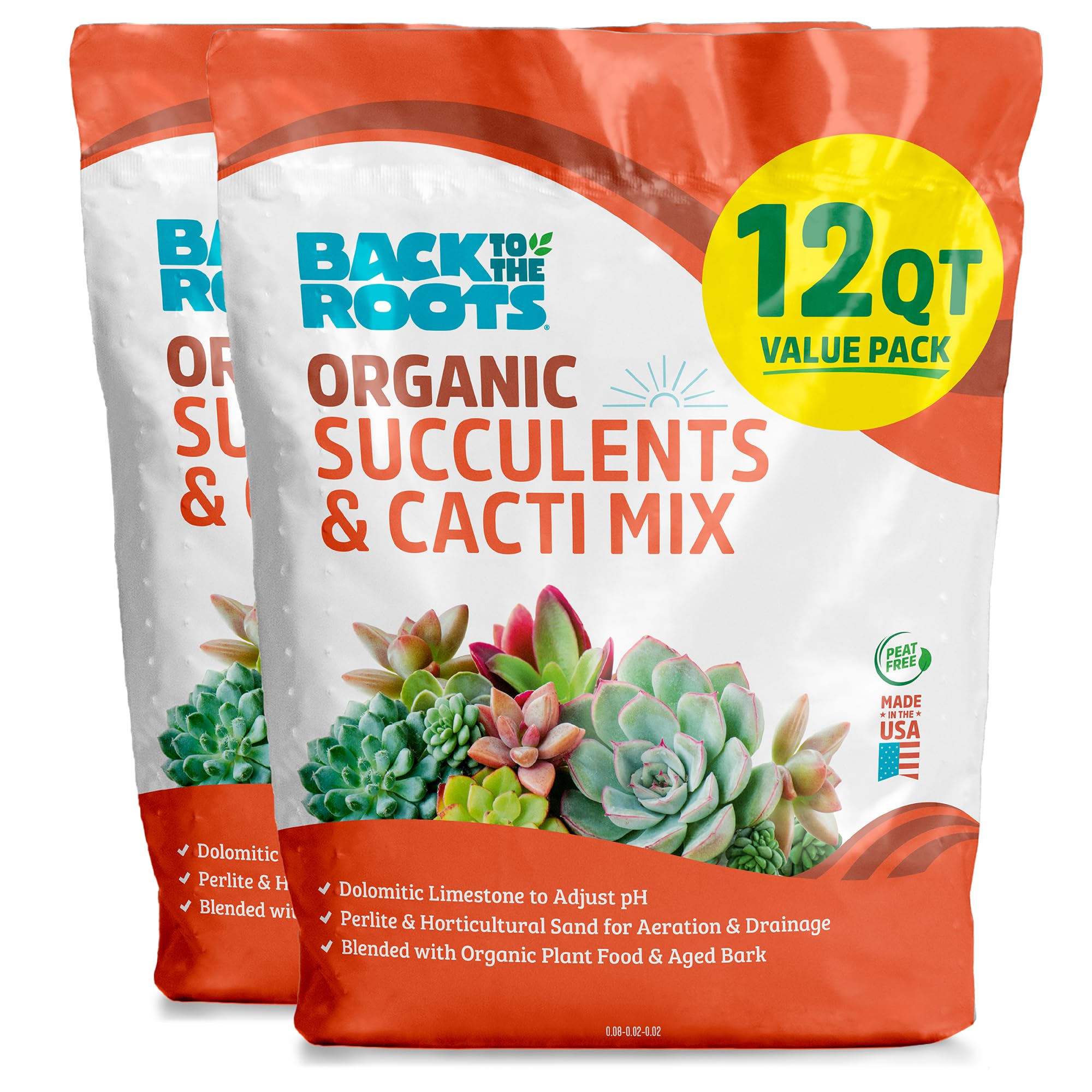
Back to the Roots Succulent & Cacti Mix

Back to the Roots Succulent & Cacti Mix

Outdoor containers

Our Score 9.0/10
Check Price

Worth Noting

  • Barky texture is less tidy for top dressing
Mix
Aged bark, perlite, sand
Volume
12 quarts
Organic
100% organic
Guarantee
Growth guarantee
Read the full review

A 12-quart bag of organic cactus mix with aged bark, perlite, and sand is a tempting size for anyone filling several patio pots. Back to the Roots also backs it with a growth guarantee, which is unusual in a category where most bags just promise better drainage. The blend is designed to be light and fast-draining, and the larger bag means fewer trips to the store.

Outdoors is where the value shows. The perlite and sand give it the drainage cacti need, and the aged bark adds organic matter that suits a mixed patio planting. It is easy to work into a container without much effort.

The reason it stays off our indoor shelf is fungus gnats. A 12-quart bag is a long-term supply, and if gnats show up, they have plenty of moist organic matter to keep breeding in. Open it outside, store it dry, and keep it for the patio, garage, or a shed where a stray insect is not a household problem.

That outdoor-first role is still useful. If you are potting up a row of cacti on a sunny deck and want an organic mix with a generous bag, this is a reasonable buy; for a single indoor plant, the smaller, cleaner bags here make more sense.

Bottom line: A generous organic mix for outdoor cactus pots, with a large bag and a growth guarantee.

How We Tested Cactus and Succulent Soil

We started with a shortlist of 30 bags sold specifically for cacti and succulents, then cut it to 14 based on ingredient lists, bag size, and price per quart. Each mix had to be labeled for cactus or succulent use, not just a general-purpose potting soil with a cactus on the front. We weighed and measured every bag so we could compare actual volume and value, and we read the ingredient panel for perlite, pumice, grit, bark, compost, peat, and coconut coir—the things that decide whether a mix drains or holds water like a sponge.

Testing ran for six months, starting in late spring and running through fall. I repotted my own collection—echeveria, jade, aloe, and a bunny-ear cactus—into each mix, using the same pot size and watering routine so the comparison stayed fair. I watered each pot until water ran out the drainage hole, then checked the saucer an hour later and again at three, seven, and 14 days to see whether the mix had drained cleanly or stayed spongy and wet. I also watched the surface for caking, shrinkage, and the fine dust that can turn a gritty mix into concrete.

To check for pests, I kept every opened bag in a clear bin in a warm room for a month and watched for fungus gnats; I also monitored the pots for weeks after repotting. At three months and again at six, I slipped a few plants out of their pots to inspect the roots—white and firm versus brown and mushy—and noted new leaves, offsets, and whether the mix had broken down into a dense layer at the bottom. A good cactus soil should still look and feel like cactus soil after six months, not like mud with a few pebbles on top.

How to Choose the Right Cactus Soil

Start with drainage, then match it to your watering

Fast drainage is the non-negotiable. Perlite, sand, pumice, calcined clay, and coarse bark create air pockets and give water a path out; peat, coir, and compost hold moisture. A gritty mix such as Bonsai Jack's is the safer choice for a cactus in a glazed pot or a plant that has rotted before, while a peat-based mix like Miracle-Gro's is easier for someone who repots regularly and waters with restraint. Neither is magic: the pot still needs a drainage hole, and the saucer should not stay full.

Read the ingredient list, not just the word cactus

Labels are marketing as much as description. A bag can say cactus mix and still be mostly peat, which is why the ingredient list matters more than the picture on the front. Look for visible perlite or grit and a mix that feels loose rather than clumped. If the bag is dense and you are planting a rot-prone cactus, cut it with perlite before use. We treat cactus as a starting point, not a guarantee; the texture in your hand is the better test.

Your pot and placement change the answer

An unglazed pot dries faster than a glazed one, and a windowsill in full sun dries faster than a cool corner. That is why the same bag can work for one grower and fail for another. Indoors, keep the mix on the dry side, open new bags outside, and watch for fungus gnats in peat-heavy soil. Outdoors, rain can undo fast drainage, so raise the pot or shelter it if the forecast turns wet. Match the mix to the conditions, not the plant label alone.

Buy enough for the job, not the whole shelf

Bag size is a practical decision. A 4-quart bag is enough for a few small pots; an 8-quart bag suits a windowsill collection; a 12-quart bag is better for a patio project than for a single cactus. A larger bag can be a false economy if it sits damp in a garage and attracts pests. Buy the size you can use within a season or two, and do not let a half-used bag sit damp.

Frequently Asked Questions

Final Verdict

For most cactus and succulent collections, start with Miracle-Gro's Cactus, Palm & Citrus Mix. The 8-quart bag is easy to handle, the blend drains fast enough for a mixed windowsill, and it does not demand a separate bag of perlite. If you have already lost plants to rot, choose Bonsai Jack's gritty mix instead; it costs more and weighs more, but it gives the most drainage and air around the roots of anything here. That is the trade: convenience and value for most people, maximum grit for the plants that need it.